

Red Light Therapy Device for Home: What to Know in 2026
The wellness routine that used to mean booking an appointment, sitting in traffic, and paying per session now fits on your bathroom counter. A red light therapy device for home brings the same wavelengths you'd find at a spa or clinic into your daily routine, no appointment needed. You turn it on, use it for a few minutes, and you're done. It's become one of those wellness tools that feels less like a trend and more like a shift in how people take care of themselves.
But not all devices are built the same. Some use the right wavelengths, some don't. Some are made for your face, others for your back or knees. And the difference between a device that actually does something and one that just blinks red lights at you comes down to a few specific details.
What Makes a Red Light Therapy Device Actually Work
The science behind red light therapy is straightforward. Certain wavelengths of red and near-infrared light penetrate the skin and interact with cells in ways that support circulation and the look of skin. The wavelengths that matter most sit between 630nm and 850nm. Anything outside that range isn't doing the work.
A proper red light therapy device for home should tell you exactly what wavelengths it uses. If the product page doesn't list them, that's a red flag. You also want to know the irradiance, which is how much light energy actually reaches your skin. Lower irradiance means longer sessions or weaker results.
Key Specs to Check Before You Buy
Here's what separates a solid device from a gimmick:
- Wavelength range: Look for 630nm (red) and 850nm (near-infrared)
- Irradiance: At least 30-50 mW/cm² at the recommended distance
- Coverage area: Bigger panels cover more skin, smaller devices target specific spots
- Session time: Most effective devices work in 5-10 minute sessions
- Build quality: LEDs should last 50,000+ hours without major degradation
If you're comparing devices, research on home-use photobiomodulation shows that consistent use matters more than occasional long sessions. Ten minutes a day beats an hour once a week.
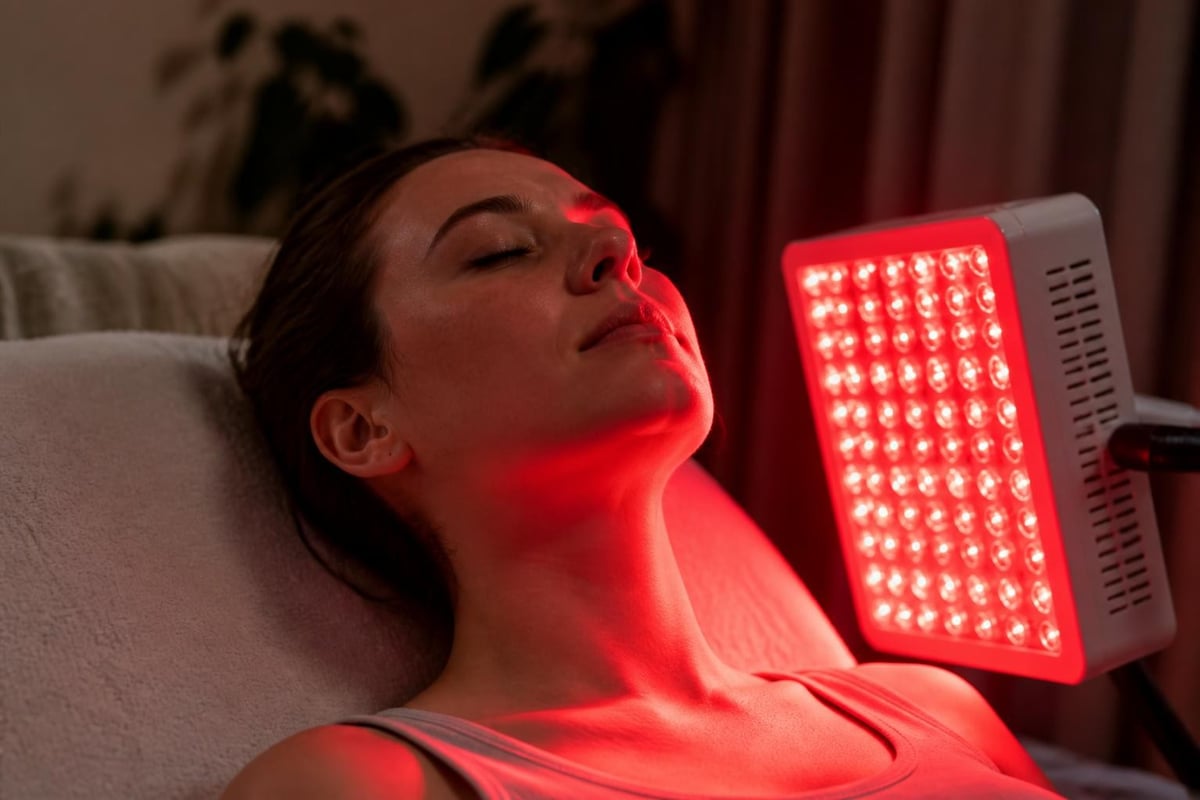
Face vs. Body: Choosing the Right Device Type
Not every red light therapy device for home does the same job. Face masks, panels, and targeted wraps all use similar technology but serve different needs.
Face devices typically use lower irradiance and focus on the 630nm range. They're built for skin support and fit the contours of your face. Most sessions run 10-15 minutes. If you're curious about timing, we've covered how often to use LED face masks in detail.
Panel devices offer broader coverage and higher power output. They're meant for standing or sitting in front of, and they cover larger areas like your chest, back, or legs. Panels work well if you want full-body sessions.
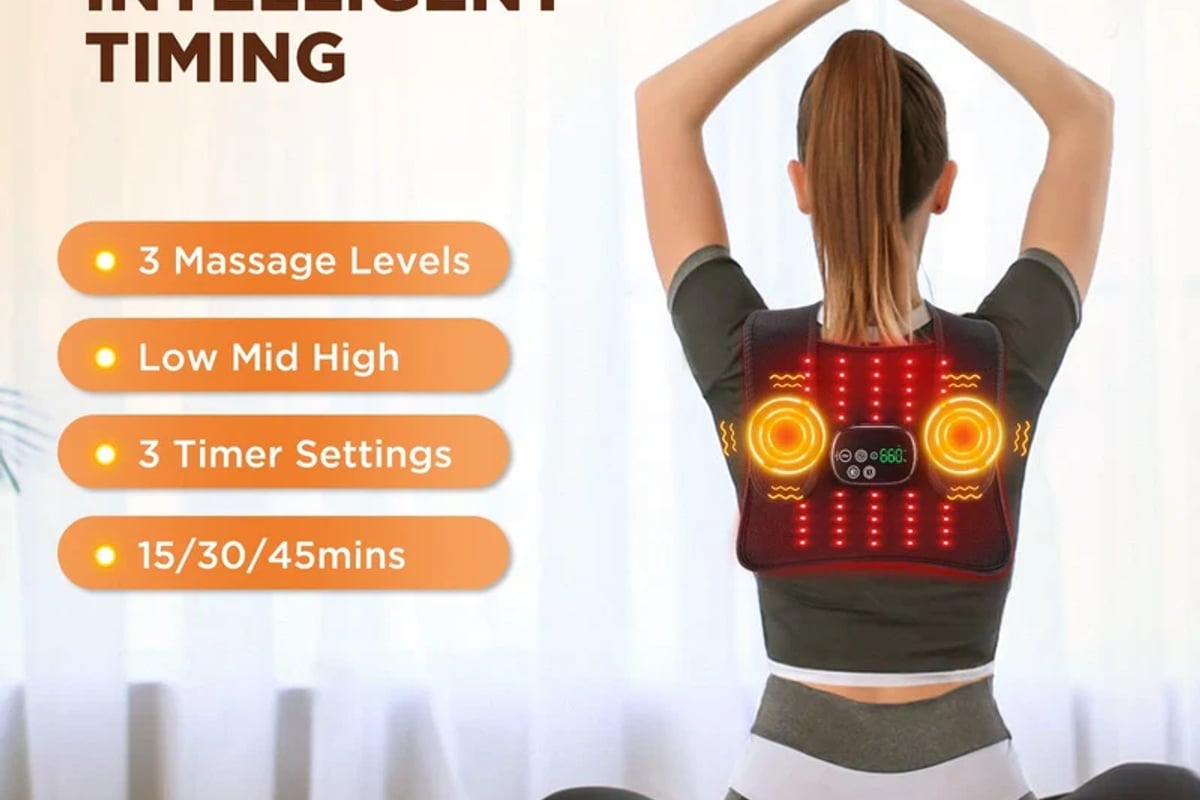
Targeted wraps and belts combine red light with heat, wrapping around specific areas like your lower back, knees, or shoulders. They're built for convenience and fit into a routine without needing to stand still.
| Device Type | Best For | Typical Session | Portability |
|---|---|---|---|
| Face mask | Facial skin support | 10-15 minutes | High |
| Light panel | Full body coverage | 10-20 minutes | Low |
| Wrap or belt | Targeted areas (back, knees) | 5-10 minutes | High |
| Handheld wand | Spot treatment | 5-10 minutes | Very high |
The Infrared Red Light Therapy Belt is one example of a device that combines both red light and warmth, wrapping around your lower back or waist. It's the kind of thing you put on while you answer emails or watch a show, not something that demands a dedicated block of time.
Safety and Realistic Expectations
A red light therapy device for home is generally safe when used as directed. The wavelengths don't carry UV radiation, so you're not dealing with the same risks as tanning beds. But you still want to follow a few basic rules.
Don't stare directly into the LEDs. Most face masks are designed with this in mind, but if you're using a panel, keep your eyes closed or wear protective eyewear. And if you're on medications that increase light sensitivity, check with a healthcare provider first.
As for results, home-based dermatological devices show promise when used consistently, but they're not miracle workers. You won't see changes overnight. Most people notice differences after a few weeks of regular use. Think of it like stretching or hydration. It's a routine, not a quick fix.
What Red Light Therapy Won't Do
Let's be clear about what these devices don't do. A red light therapy device for home won't treat, cure, or diagnose any medical condition. It's not a replacement for medical care. If you're dealing with chronic pain, skin conditions, or any health issue, you need to talk to a doctor, not rely on a light device.
What it can do is support your skin's appearance, help you wind down, and add a moment of warmth to your day. That's enough for most people. Understanding whether red light therapy works comes down to setting the right expectations.
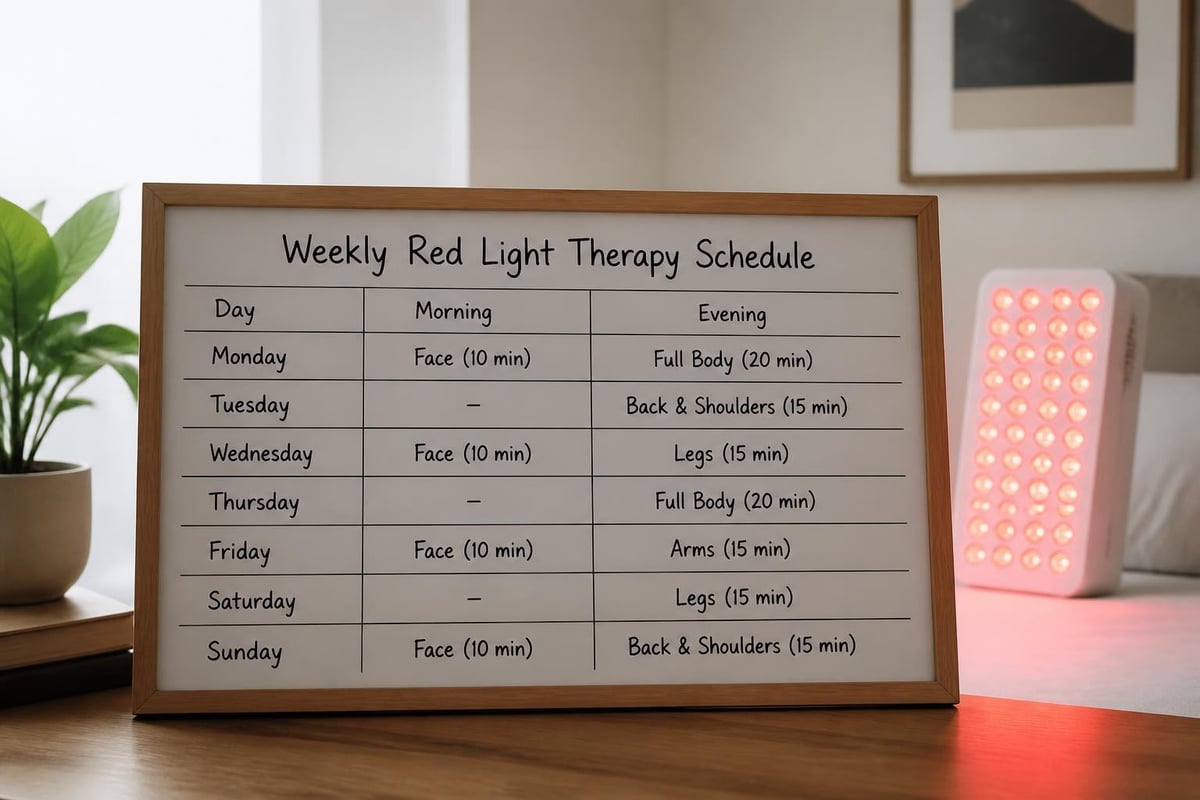
Fitting a Device Into Your Actual Routine
The best red light therapy device for home is the one you'll actually use. A $500 panel that sits in your closet does nothing. A $100 wrap you use every morning does.
Here's how people actually make it stick:
- Pick a consistent time: Morning after coffee, evening before bed, whatever works
- Keep it visible: Don't hide it in a drawer
- Start short: Five minutes is enough to build the habit
- Pair it with something else: Use it while you read, listen to a podcast, or stretch
- Track it loosely: A quick note in your phone helps you notice patterns
The question of how to start red light therapy isn't complicated. You pick a device, turn it on, and use it regularly. The hard part is remembering to do it when life gets busy.
Device Longevity and Maintenance
One thing people don't always consider is how long these devices last. Most quality LEDs are rated for 50,000 hours or more. If you use your device for 10 minutes a day, that's over 80 years of use. The LEDs will outlast the device itself.
But that lifespan assumes proper care. Wipe down your device after use, especially if you're using it on bare skin. Store it somewhere dry. Don't drop it or expose it to extreme temperatures. How long LED masks last depends more on how you treat them than the LEDs themselves.
Some devices have replaceable parts. Others don't. Check the warranty before you buy. A one-year warranty is standard, but some brands offer longer coverage. That matters if you're spending a few hundred dollars.
Why People Choose Home Devices Over Clinic Sessions
Clinic sessions for red light therapy can run $50 to $150 per visit. If you're going twice a week, that's $400 to $1,200 a month. A red light therapy device for home costs anywhere from $100 to $600 upfront, and then it's yours. The math adds up fast.
But it's not just about money. It's about control. You use it when you want, for as long as you want. No driving, no scheduling, no waiting room. You're in your own space, on your own time. For a lot of people, that's worth more than the cost savings.
Best red light therapy products come in all shapes and sizes, but they share one thing: they fit into life instead of demanding you rearrange it.
What to Avoid When Shopping
The market's flooded with devices that look legitimate but cut corners. Here's what to watch for:
- Vague wavelength claims: "Red light" isn't specific enough. You need exact nanometer ranges.
- No irradiance data: If they don't tell you power output, assume it's weak.
- Too cheap: Devices under $50 are almost always underpowered or poorly built.
- Overblown claims: Anything promising to cure diseases or erase wrinkles overnight is lying.
- No return policy: Legitimate brands stand behind their products.
Do at-home red light masks really work? The answer depends on whether you're using a real device or a knockoff. The knockoffs are everywhere.
Using Red Light Therapy Alongside Other Routines
A red light therapy device for home doesn't replace the rest of your wellness routine. It adds to it. People use red light alongside stretching, skin care, mindfulness practices, and recovery routines. It's one piece of a bigger picture.
If you're into fitness, red light therapy for sore muscles fits naturally after a workout. If you're focused on skin, it pairs well with serums and moisturizers. If you're just trying to wind down after a long day, it's a quiet moment that feels intentional.
The devices don't demand much. They just ask for a few minutes and a little consistency.
Bringing red light therapy home means skipping the spa appointments and building a routine that fits your actual life. The right device delivers the same wavelengths you'd pay for elsewhere, in a format you can use every morning or evening without rearranging your schedule. Rituelle offers red light and warmth in devices made for real routines, from wraps that fit your lower back to face masks that work while you unwind. Free shipping, simple tools, five to ten minutes a day.