

How to Start Red Light Therapy at Home in 2026
Red light therapy has moved from clinics and spas into living rooms, and for good reason. It's simple, it takes minutes, and it doesn't require an appointment or a drive across town. But if you're new to it, figuring out how to start red light therapy can feel like guesswork. Do you need a specific type of device? How long should you use it? What prep work matters? This guide walks you through the essentials so you can build a routine that fits your life without overthinking it.
Understanding What You're Actually Doing
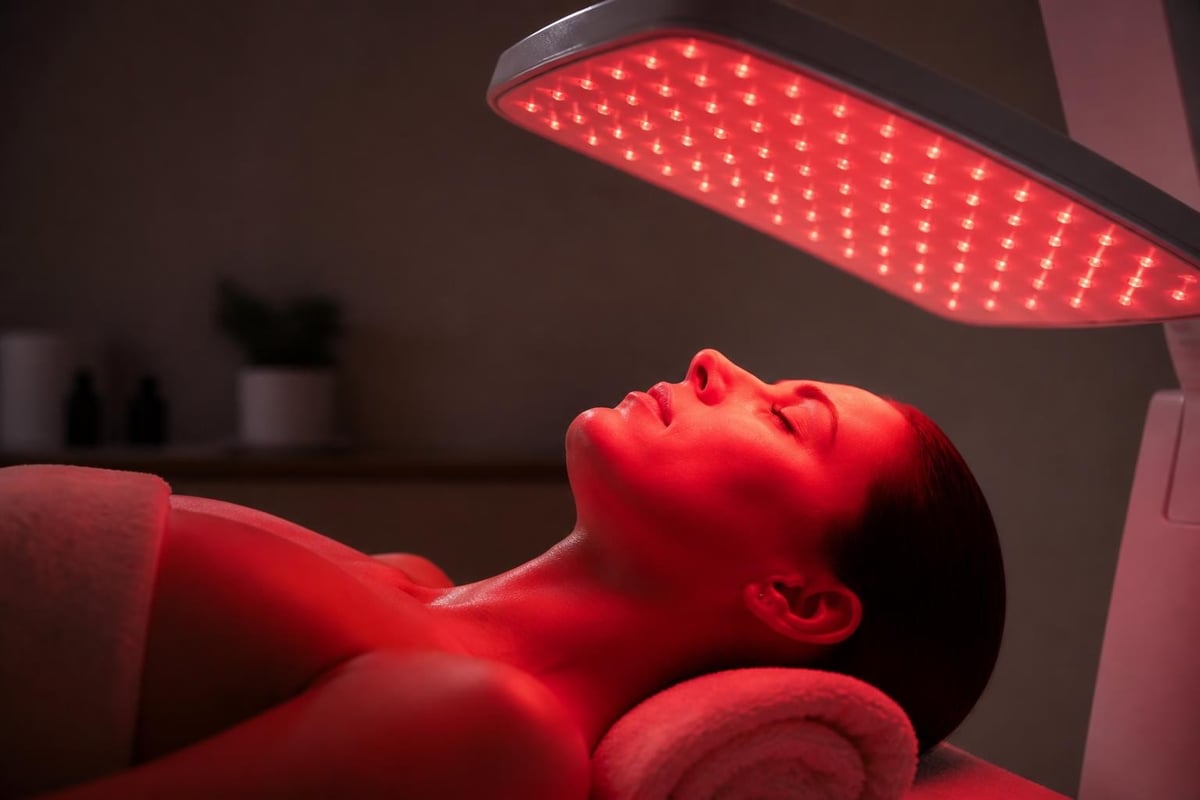
Red light therapy uses specific wavelengths of light, typically in the red and near-infrared spectrum, to penetrate the skin. The American Academy of Dermatology explains that these wavelengths interact with cells in ways that support the body's natural processes. You're not applying heat or chemicals. You're simply exposing skin to light.
The process is passive. You position the device, turn it on, and let it work. There's no rubbing, no massage motion, no active effort required. That simplicity is part of the appeal, especially if you're already juggling a full routine.
Why Wavelength and Power Matter
Not all red light is the same. Devices typically emit light in the 630 to 850 nanometer range. Red wavelengths (around 630-660nm) stay closer to the surface, while near-infrared (around 810-850nm) penetrates deeper. Understanding these differences helps you match the device to what you're trying to support.
Power output, measured in milliwatts per square centimeter, determines how much energy actually reaches your skin. Higher power means shorter sessions. Lower power means you'll need a bit more time. Most home devices fall somewhere in the middle, designed for sessions between five and twenty minutes.
Choosing Your First Device
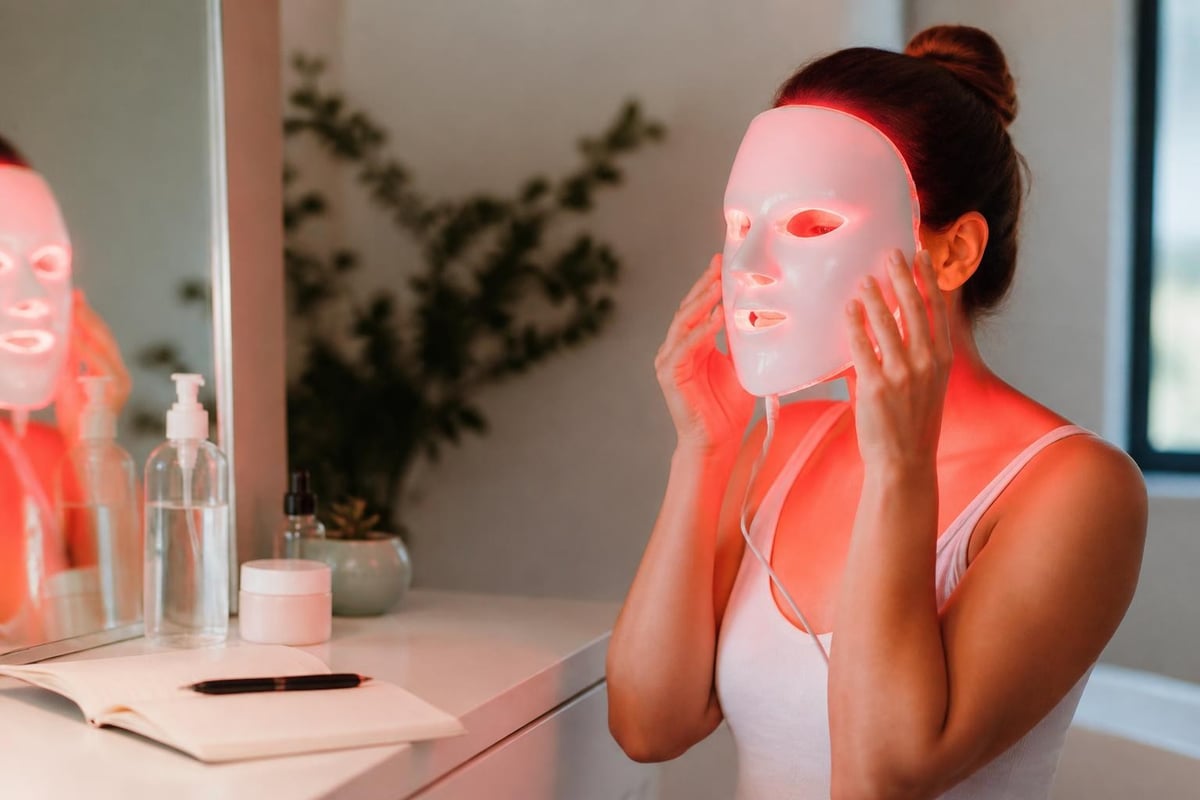
You don't need a giant panel to get started. The key is matching the device to the area you want to focus on. If it's your face, a mask or handheld panel works. If it's your lower back or shoulders after long desk days, a wrap that stays in place makes more sense.
Look for devices that list their wavelengths clearly. Avoid anything vague or marketed with wild claims. Check the power output if it's listed. And consider whether you want something hands-free or something you hold and move around.
Key features to check:
- Wavelength range (red, near-infrared, or both)
- Power output or irradiance level
- Coverage area
- Hands-free vs. handheld design
- Timer settings
| Device Type | Best For | Typical Session |
|---|---|---|
| Face mask | Facial skin, neck | 10-15 minutes |
| Handheld panel | Targeted spots, small areas | 5-10 minutes per area |
| Wrap or belt | Back, shoulders, knees, larger areas | 10-20 minutes |
| Large panel | Full-body coverage | 10-20 minutes |
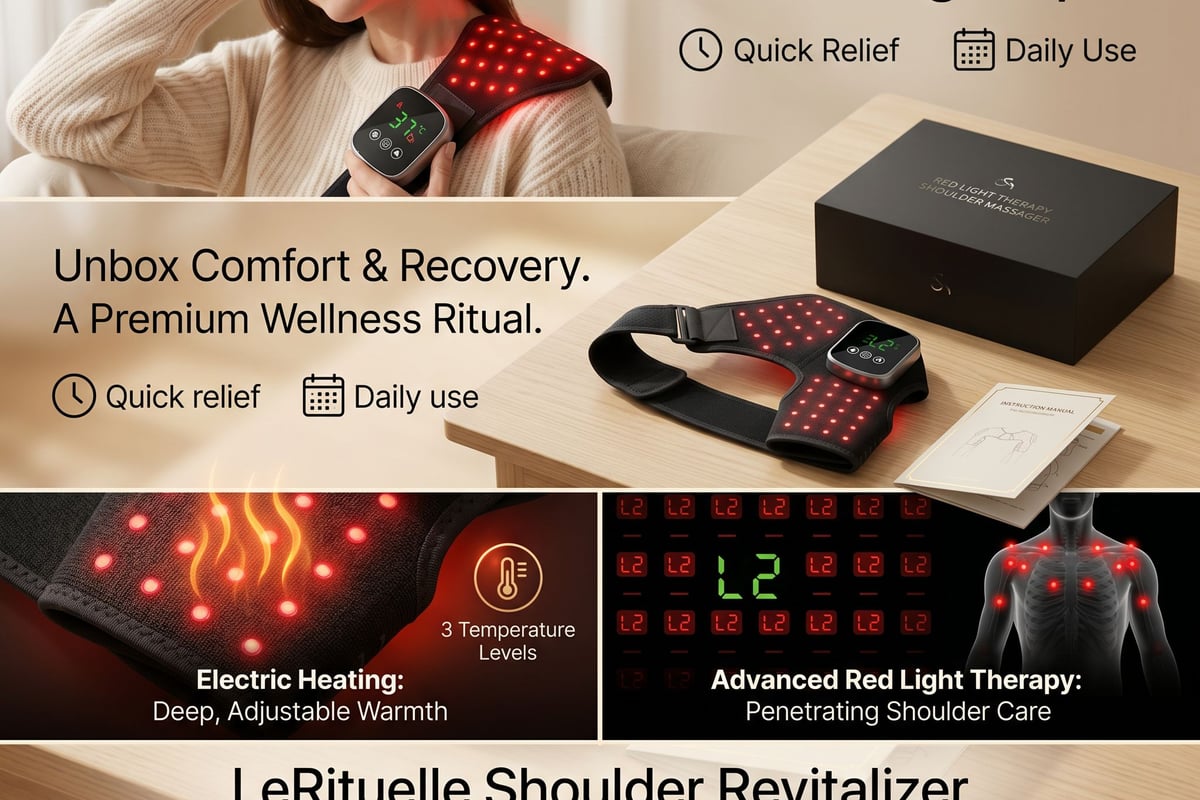
If tension from work or workouts shows up in your back or shoulders, a wrap that combines warmth and red light can address both at once. The Electric Heating Red Light Therapy Heating Shoulder Massager wraps right around the spot and delivers both far-infrared heat and red light without you needing to hold anything in place.
Where to Use It and How Often
When you're learning how to start red light therapy, frequency matters more than intensity. Consistency beats occasional long sessions. Most people start with three to five times per week, then adjust based on how their skin and body respond.
Proper preparation is straightforward: clean, bare skin works best. Remove makeup, lotion, or anything that might block the light. The goal is direct contact between the wavelengths and your skin.
You can use it in the morning to ease stiffness or at night as part of winding down. Some people build it into their skincare routine, others treat it like stretching after a workout. There's no single right time, just whatever time you'll actually stick with.
Setting Up Your First Session
Start simple. Pick one area, set a timer, and keep the device at the recommended distance. Most handheld devices work best between six and twelve inches from the skin. Wraps and masks are designed to sit directly on the body, so distance isn't a factor.
Steps for your first session:
- Clean the area you're treating
- Position the device or wrap it in place
- Set a timer for 10 minutes (you can adjust later)
- Relax and let it run
- Remove the device when the timer goes off
Don't expect immediate results. Red light therapy works gradually. You're supporting natural processes, not flipping a switch. Give it a few weeks of consistent use before you assess whether it's making a difference.
Adjusting Duration and Distance
Once you've done a few sessions, you can fine-tune. If your device has adjustable power settings, start lower and work up. If it's a fixed-output device, adjust session length instead. Dosing guidelines can help you calculate optimal session times based on your device's specifications.
Pay attention to how your skin responds. Mild warmth is normal. Discomfort isn't. If something feels off, increase the distance or shorten the session. Red light therapy should feel passive and easy, not intense.
Building It Into Your Routine
The easiest way to make red light therapy stick is to pair it with something you already do. Use it while you're watching the news, listening to a podcast, or sitting with coffee in the morning. At-home routines work best when they don't require extra time carved out of an already packed day.
If you're using a hands-free device like a wrap or mask, you can move around a bit. Answer emails, stretch, or just sit still. The flexibility makes it easier to use regularly, and regular use is what matters most.
Some people track sessions in a notes app or calendar. Others just make it part of the daily rhythm and don't think twice. Either approach works as long as you're consistent.
What to Skip
You don't need to combine red light therapy with other treatments right away. Start simple, see how it goes, then layer in other things if you want. And you don't need to use it on every part of your body. Focus on one or two areas that matter most, whether that's your face, your lower back, or your knees after a long run.
Avoid using red light therapy over open wounds, active rashes, or anywhere you wouldn't apply heat. It's a gentle tool, but it's not meant for acute issues. Stick to the everyday stuff: skin support, easing tension, winding down.
Tracking What Works for You
After a few weeks, take stock. Are you using it as often as you planned? Does it fit into your day without friction? Do you notice anything worth continuing for? These questions matter more than any rigid protocol.
If you're not seeing the support you hoped for, consider whether you're using it consistently, whether the device is appropriate for the area, and whether your session length matches your device's power output. Small tweaks often make a difference.
You might also want to explore related topics like how often to use an LED face mask or learn more about red light therapy benefits for skin to better understand what you're working with.
| Common Adjustment | Why It Helps |
|---|---|
| Shorter, more frequent sessions | Builds consistency without feeling like a chore |
| Switching device placement | Targets different areas based on daily needs |
| Pairing with a regular habit | Makes it automatic instead of optional |
| Using at the same time daily | Reinforces the routine |
The point isn't perfection. It's finding a version of red light therapy that works for your life, not someone else's.
Making It Last
Once you've figured out how to start red light therapy and built a rhythm, the next challenge is keeping it going. The novelty wears off, life gets busy, and suddenly it's been two weeks since you touched the device.
Set reminders if that helps. Keep the device somewhere visible. Or just accept that some weeks will be more consistent than others, and that's fine. Even sporadic use is better than giving up entirely because you missed a few days.
And if you're curious whether any of this actually works, there's plenty of research and real-world experience to explore. Check out does red light therapy work for a deeper look at the science and practical results people report.
Learning how to start red light therapy doesn't require a steep learning curve or expensive equipment. It's about finding a device that fits your needs, building a simple routine, and sticking with it long enough to see if it supports your goals. If you're ready to bring that kind of ease into your day, Rituelle offers red light and heated massage devices designed for home use, from wraps for your back and shoulders to masks for your face, all meant to fit into five or ten minutes of your routine without the clinic visit.