

Red Light Therapy for Sore Muscles: What You Need to Know
You've just finished a long day at your desk, hit the gym after work, or spent the weekend doing yard work. Now your muscles are reminding you exactly what you put them through. That familiar ache settles into your shoulders, lower back, or legs, and you're left wondering what actually works to ease the tension without booking a massage every other day. Red light therapy for sore muscles has become a popular option, and it's not just hype. The science is solid, the application is simple, and you can do it at home.
What Makes Red Light Therapy Work
Red light therapy uses specific wavelengths of light, typically between 630 and 850 nanometers, to penetrate the skin and reach muscle tissue below. When those wavelengths hit your cells, they stimulate mitochondria to produce more adenosine triphosphate (ATP), which is essentially cellular energy. More energy means your cells can repair themselves faster, reduce inflammation more efficiently, and clear out waste products that contribute to that sore, achy feeling.
It's not about heat, though some devices combine warmth with red light. The light itself does the work at a cellular level. And unlike some recovery methods that only address surface tension, red light therapy works deeper to support the processes your body already uses to recover.
The Research Behind Muscle Recovery
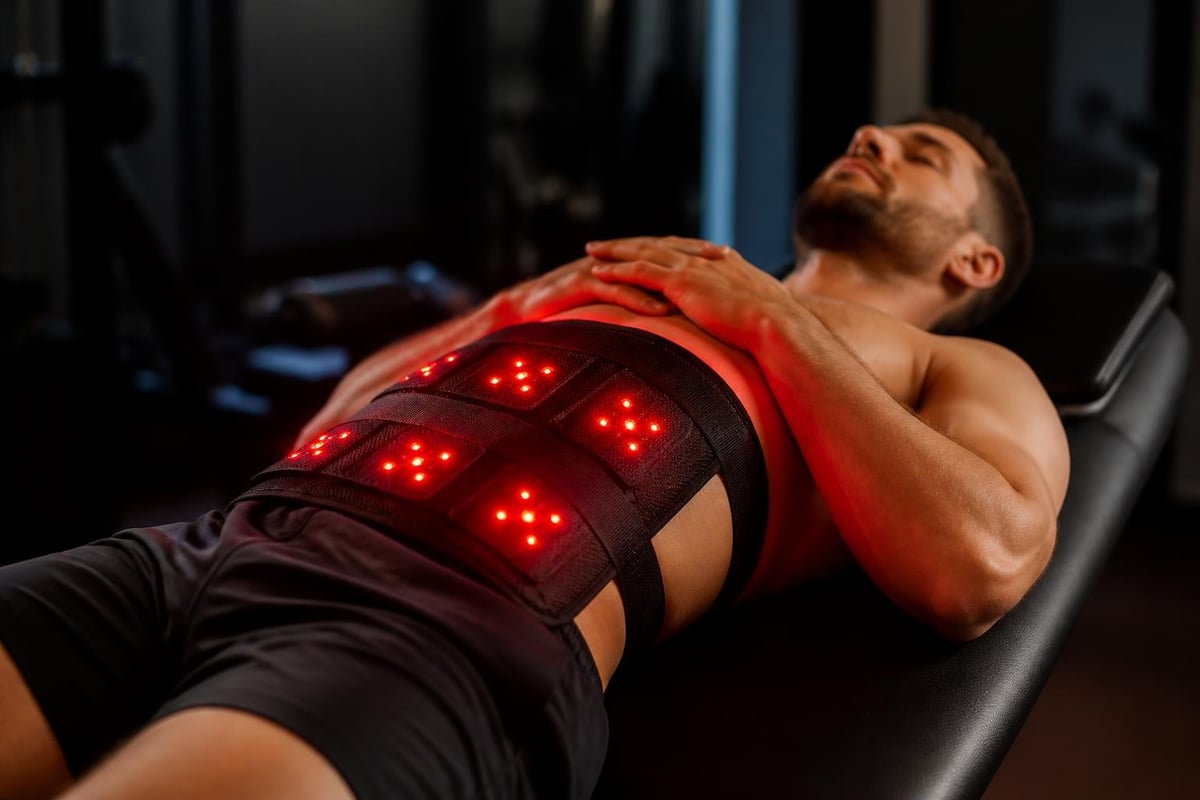
Clinical studies show that red light therapy for sore muscles can reduce delayed onset muscle soreness (DOMS), that deep ache that shows up a day or two after you push yourself. Research indicates that applying red light before or after exercise can help reduce muscle damage markers and speed up strength recovery.
One interesting finding is that timing matters. Some studies suggest that using red light therapy before a workout may offer protective benefits, while post-workout application focuses on recovery. The key is consistency. A single session won't work miracles, but regular use, even just five to ten minutes a day, can make a noticeable difference over time.
Athletes have picked up on this. From weekend warriors to professional players, people are incorporating red light into their routines because it works without adding complicated steps or lengthy recovery protocols.
How to Use Red Light Therapy at Home
You don't need a clinic or a spa membership to benefit from red light therapy. Home devices have become more accessible, more affordable, and easier to use. But you do need to know what you're looking for.
Key factors for effective use:
- Wavelength: Look for devices that emit 630-850 nm wavelengths
- Power density: Higher irradiance means shorter session times
- Coverage area: Make sure the device covers the muscles you're targeting
- Consistency: Daily or every-other-day use yields better results than sporadic sessions
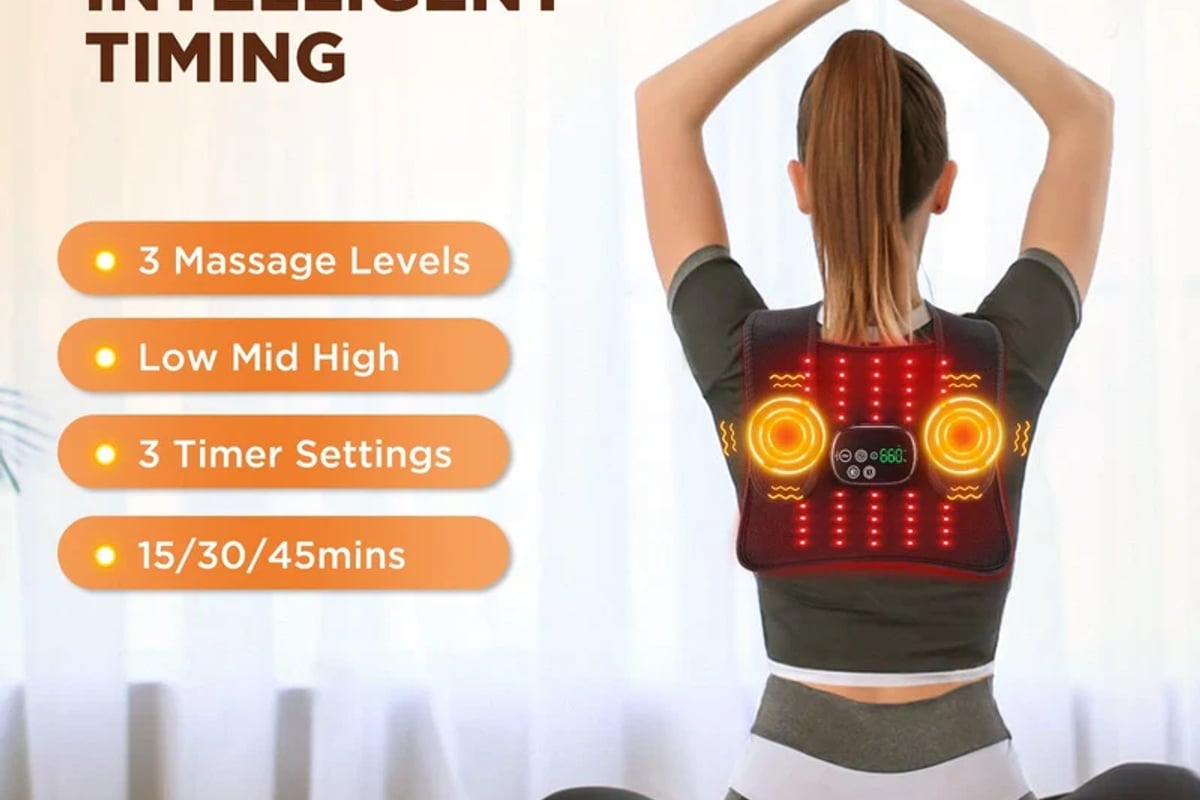
Most home devices are designed for specific areas. If your lower back tends to hold tension after long sits, you'll want something that wraps around that area and stays put while you go about your business. If it's your knees or shoulders, targeted devices work better than full-body panels.
The Infrared Red Light Therapy Belt is built exactly for this. It combines red light with far-infrared heat to ease tension in your lower back, waist, or wherever you carry the day's stress. You strap it on, set the timer, and let it do its thing while you're reading, working, or just sitting down for a minute.
Timing and Duration
So how long should you actually use red light therapy for sore muscles? Most devices work well with sessions between five and twenty minutes, depending on the power output. Lower-powered devices need longer exposure, while clinical-grade equipment works faster.
| Session Length | Power Level | Frequency | Best For |
|---|---|---|---|
| 5-10 minutes | High (100+ mW/cm²) | Daily | Quick recovery |
| 10-15 minutes | Medium (50-100 mW/cm²) | Daily or every other day | General maintenance |
| 15-20 minutes | Lower (20-50 mW/cm²) | 3-4 times per week | Gradual improvement |
Start with shorter sessions and see how your body responds. Some people feel relief right away, others notice the difference after a week or two of consistent use. Your muscles didn't get sore overnight, and they won't recover that fast either. But red light therapy speeds up what your body already does naturally.
Combining Red Light with Other Recovery Methods
Red light therapy works well on its own, but it also complements other recovery strategies. Stretching, foam rolling, proper hydration, and adequate sleep all support muscle recovery. Red light just gives your cells the extra boost they need to do their job more efficiently.
You can use it after a workout, before bed, or whenever your muscles feel tight and tired. Some people make it part of their morning routine, others use it as a wind-down ritual at night. The flexibility is part of what makes it practical for everyday life.
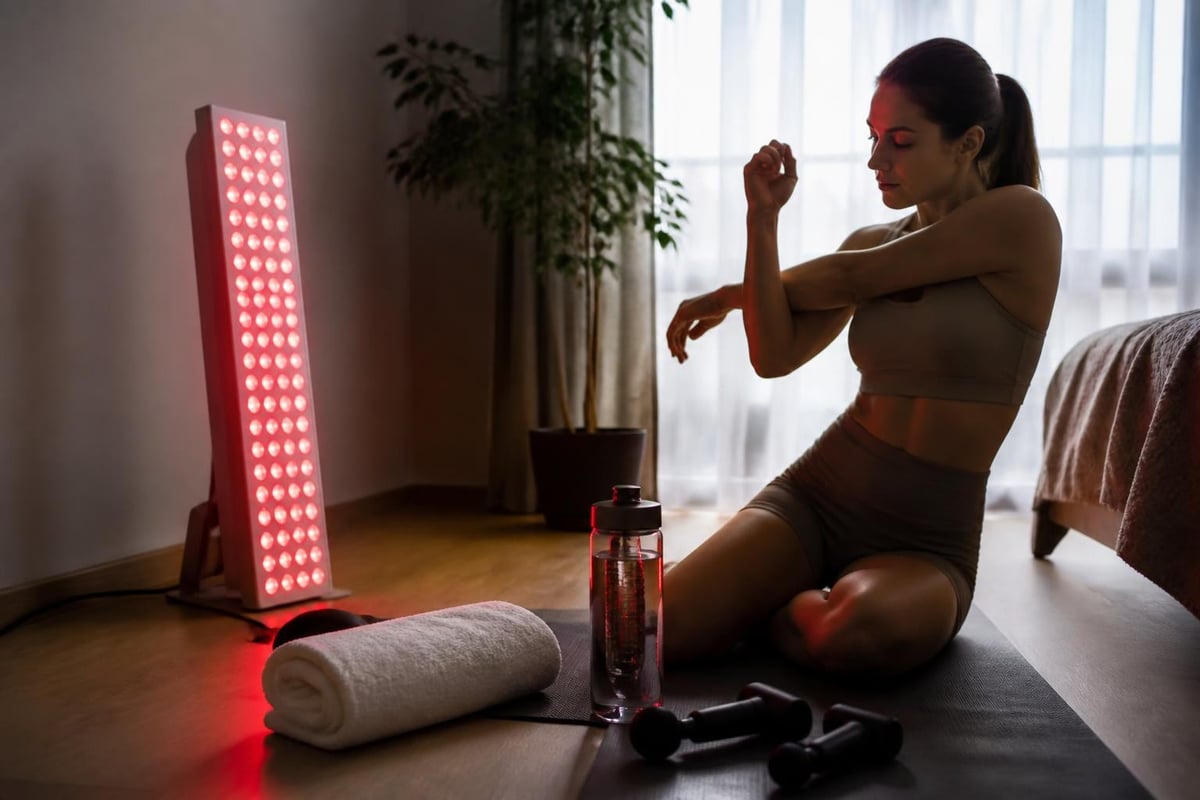
And if you're curious about whether red light therapy works for other concerns, the answer is yes. The same cellular mechanisms that help with muscle soreness also support skin health, reduce inflammation in joints, and promote overall wellness. It's why the technology has crossed over from sports medicine into everyday home care.
What to Expect
When you start using red light therapy for sore muscles, set realistic expectations. You're not going to feel brand new after one session. But after a few days, you might notice that your muscles don't feel as stiff in the morning. After a week or two, recovery from workouts might feel faster. After a month, you'll probably wonder why you didn't start sooner.
Typical timeline:
- Days 1-3: Getting used to the routine, minimal noticeable change
- Days 4-7: Slight reduction in muscle stiffness and soreness
- Weeks 2-3: Noticeable improvement in recovery time
- Week 4+: Consistent relief, faster bounce-back from physical activity
Clinical evidence supports these timelines, showing that benefits accumulate with regular use. This isn't a quick fix. It's a tool that supports your body's natural processes over time.
Making It Part of Your Routine
The best recovery tool is the one you actually use. Red light therapy works because it fits into real life without adding stress or complicated steps. You strap it on, press a button, and go about your business. No appointments, no driving across town, no lying on a cold clinic table.
For people dealing with desk days, weekend workouts, or just the everyday tension that comes with being busy, Rituelle's approach makes sense. Simple devices, honest information, no overblown claims. Just the kind of warmth and red light that clinics charge for, available at home whenever you need it.
If you're already exploring red light therapy benefits for other reasons, adding muscle recovery to the list is easy. Same technology, different application. And if you're new to the whole concept, understanding how it works helps you use it more effectively.
Who Benefits Most
Anyone with muscles can benefit from red light therapy, but certain groups see particularly noticeable results. People who work out regularly, whether that's lifting, running, cycling, or yoga, often use red light to speed up recovery between sessions. Professional athletes have been using it for years, and now the same technology is accessible to everyone else.
People with physically demanding jobs also find relief. If you're on your feet all day, lifting, bending, or standing in one position for hours, your muscles accumulate tension and fatigue. Red light therapy helps ease that buildup without requiring extra time or energy you don't have.
And then there are the desk workers. Sitting might not feel like hard labor, but your lower back, shoulders, and neck know better. That static tension builds up just as much as the soreness from a hard workout, and red light therapy addresses it the same way: by supporting cellular recovery and reducing inflammation.
Red light therapy for sore muscles isn't a miracle cure, but it's a practical, science-backed tool that makes everyday recovery easier. Whether you're dealing with post-workout soreness, desk tension, or the general aches that come with staying active, consistent use can help your muscles bounce back faster. Rituelle brings that same technology into your home with devices built for real life, designed to fit into those five or ten minutes you have between everything else. Simple, effective, and ready when you are.