

Red Light Therapy Every Day: A Simple Routine Guide
You're standing in front of your bathroom mirror, coffee in hand, wondering if you should actually use that red light device sitting on the counter. Again. For the third day in a row. Is daily really okay, or are you overdoing it?
It's a fair question. Most wellness routines come with complicated schedules and warnings about "too much of a good thing." But red light therapy works differently. The light wavelengths don't build up in your body or wear out your skin with repeated use. In fact, consistency matters more than intensity when it comes to seeing results.
How Often Should You Actually Use Red Light Therapy
The short answer is that using red light therapy every day is generally considered safe and often recommended for the best outcomes. Research and device manufacturers typically suggest sessions ranging from five to twenty minutes per targeted area, and daily use helps maintain steady exposure without overwhelming your body.
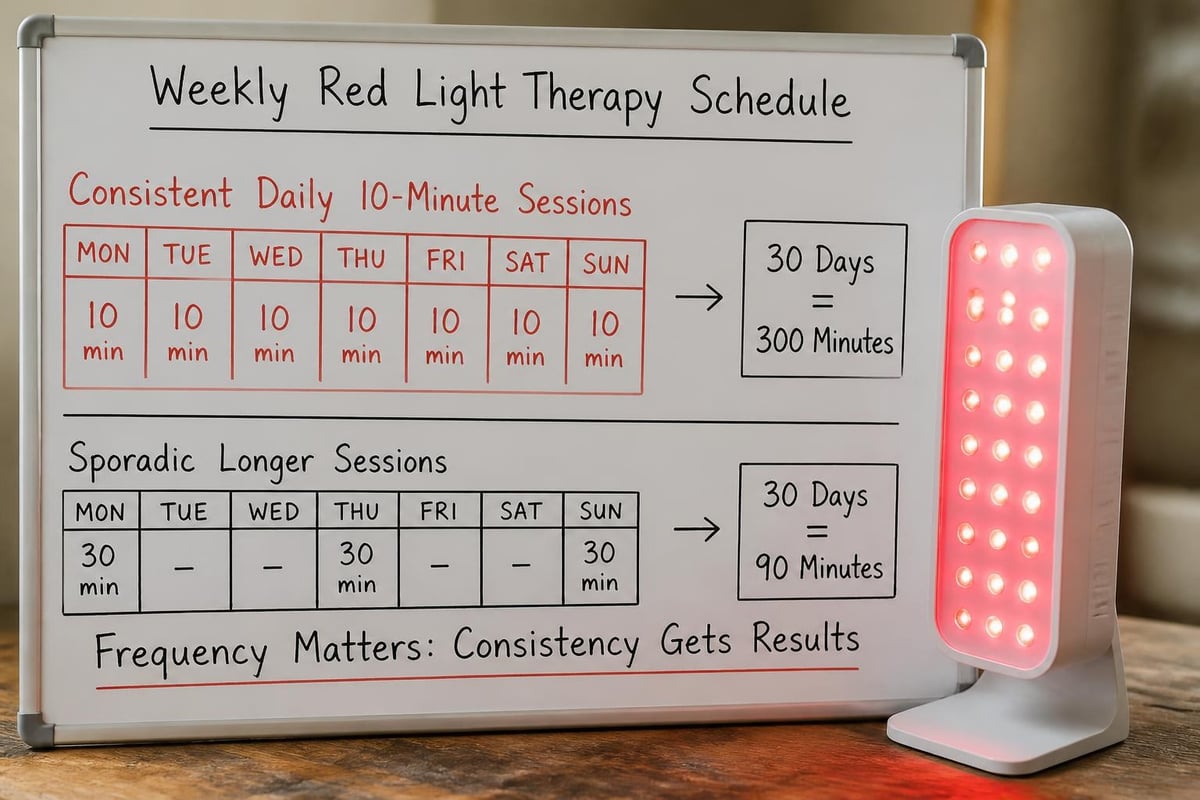
Most FDA-cleared at-home devices are designed with daily use in mind. The wavelengths typically used (around 630-850 nanometers) penetrate skin and tissue gently, stimulating cellular processes without causing damage. This makes red light therapy every day a practical option for people building it into their morning or evening routines.
But there's a catch. More isn't always better, and spacing matters.
Finding Your Sweet Spot
Here's what daily sessions typically look like:
- Face and neck: 10-15 minutes per session
- Larger body areas (back, shoulders, knees): 15-20 minutes per targeted zone
- Multiple areas: Rotate focus rather than doing everything at once
- Timing: Morning to energize or evening to wind down, both work fine
Some people feel results faster with twice-daily sessions, especially in the first few weeks. Others stick to once per day and build from there. Harvard Health notes that consistent exposure over weeks tends to produce more noticeable effects than occasional longer sessions.
Your skin doesn't "get used to" red light the way it might with certain topical products. But your schedule needs to be realistic. If daily feels overwhelming, starting with three to five times per week still provides benefits.
What Happens When You Use Red Light Daily
Red light therapy works by delivering specific wavelengths that your cells absorb and convert into energy. This process, called photobiomodulation, happens each time you use the device. Daily sessions keep this cellular activity humming along steadily.
Think of it like watering a plant. One big soak once a week might keep it alive, but consistent smaller waterings help it thrive. Medical News Today explains how red light supports cellular function through increased ATP production, which is why regular exposure tends to produce better outcomes.
| Frequency | Session Length | Best For |
|---|---|---|
| Daily | 10-15 minutes | Building consistent routine, maintaining results |
| 3-5x per week | 15-20 minutes | Balanced approach, fitting into variable schedules |
| 2-3x per week | 20 minutes | Maintenance after initial intensive period |
The body areas you're targeting also influence your approach. Someone using a red light device for their face might comfortably do daily 10-minute sessions. Someone addressing multiple body zones might alternate days or focus on different areas each session.
Building the Actual Habit
Knowing you can use red light therapy every day is one thing. Actually doing it is another. The devices work best when they become part of your existing routine, not an extra task you need to remember.
Some practical anchors that work:
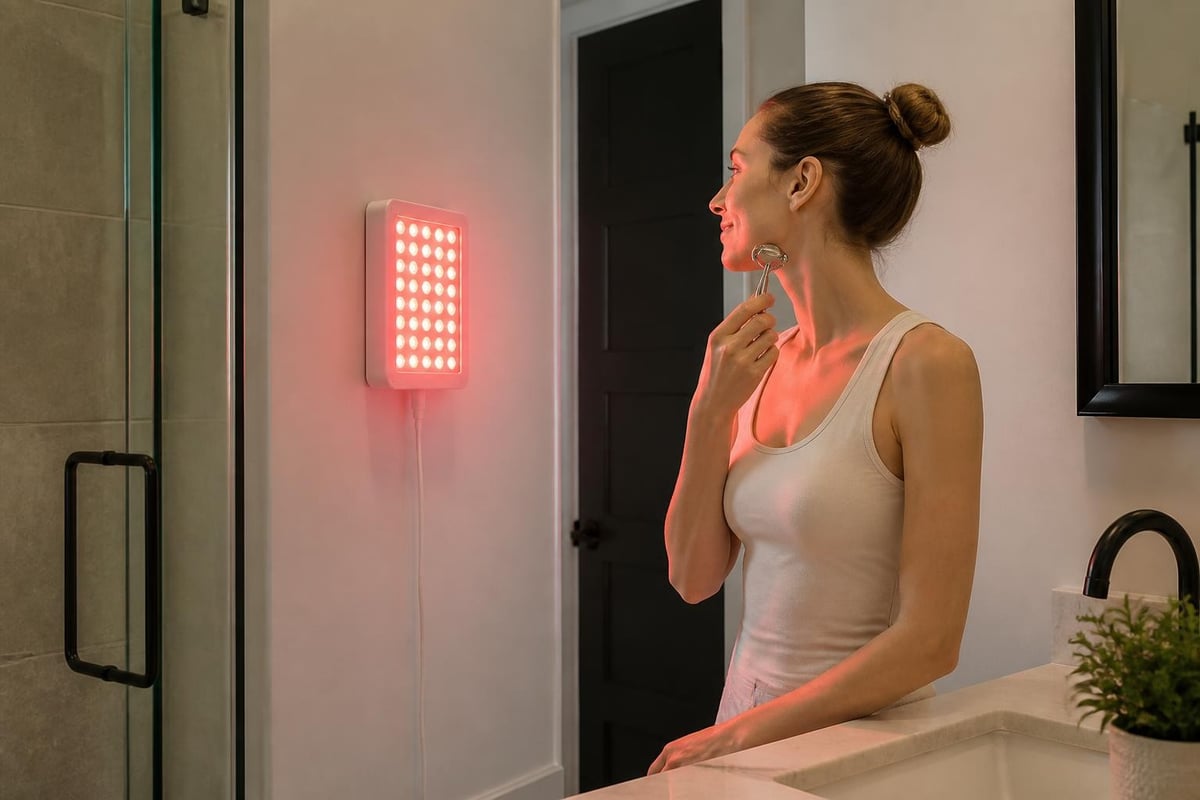
Morning routine: Right after brushing teeth, before getting dressed. The light can wake you up naturally while you're already in the bathroom.
Evening wind-down: During your skincare routine or while reading before bed. Many people pair it with other self-care moments they already protect.
Post-workout: When you're already focused on recovery and your muscles are warm. Red light fits naturally into the cool-down phase.
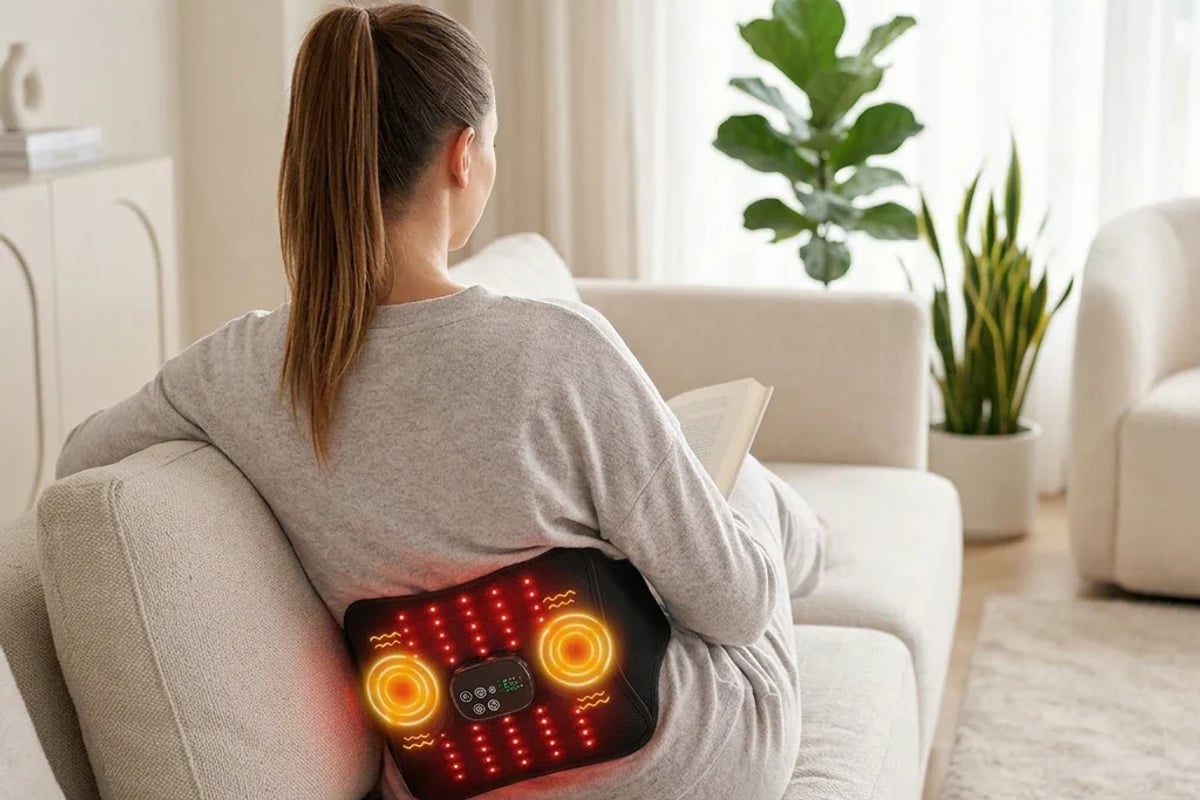
If you're dealing with tension from long desk days or workouts, targeting specific areas becomes easier when the device lives where you actually spend time. A wrap that you can use while answering emails or watching TV removes the "finding extra time" barrier entirely.
Rituelle's infrared red light therapy belt delivers both warmth and red light right where tension builds, making it simple to use while you're already sitting or lying down. The design wraps around your lower back or wherever you carry the day's strain, turning recovery into something you do during your regular routine rather than in addition to it.
Safety and What to Watch For
Daily red light therapy is low-risk, but paying attention to how your body responds matters. WebMD points out that while side effects are rare, some people experience mild redness or tightness immediately after use, which typically fades within an hour.
If you notice persistent irritation or discomfort, dial back the frequency or shorten your sessions. Start with shorter exposure times (five to seven minutes) and work up to longer sessions over a few weeks. Your skin will tell you what works.
Red flags to watch for:
- Skin that stays red or irritated for hours after use
- Increased sensitivity or discomfort during sessions
- Headaches or eye strain (always keep devices away from direct eye exposure)
- Feeling overheated or uncomfortable
These reactions are uncommon but possible. Adjusting your distance from the device, reducing session length, or taking a day off usually resolves minor issues. And if you have specific skin conditions or take medications that increase light sensitivity, checking with a doctor before starting makes sense.
Making Red Light Therapy Stick
The real challenge isn't whether you can use red light therapy every day. It's whether you will. UCLA Health highlights that consistent use over several weeks produces the most noticeable effects, but consistency requires more than good intentions.
What actually helps people stick with it:
Set a stupid-simple trigger: "After I pour my coffee" or "When I plug in my phone at night." The more specific, the better.
Track it loosely: A simple check on your calendar or a note in your phone. Not to stress over, just to notice patterns.
Expect nothing for two weeks: Seriously. Give yourself permission to just do the thing without scrutinizing results. Most people notice changes around week three or four.
Adjust as needed: Life gets messy. Missing a day doesn't erase your progress. Just pick it back up the next day.
Some people love structure and schedule the same time every single day. Others prefer flexibility and use it whenever they remember, as long as it happens most days. Both approaches work. The best frequency is the one you'll actually maintain.
When to Consider Taking Breaks
While daily use is safe, some people choose to cycle their routine. After several months of consistent daily sessions, taking a week off occasionally can help you assess whether you're still getting benefits or just going through the motions.
Think of it as a check-in rather than a requirement. Healthline's overview suggests that red light therapy doesn't require breaks the way some treatments do, but periodic pauses can help you stay intentional about your routine.
Others prefer continuous daily use indefinitely, treating it like brushing teeth or any other non-negotiable habit. There's no wrong answer here. Your body, your schedule, your call.
Using red light therapy every day offers a straightforward way to support your skin and muscles through consistent, gentle exposure that fits into the time you already have. If you're ready to bring that kind of ease into your routine, Rituelle makes it simple with devices designed for real life, not spa appointments. Free shipping, honest design, and the warmth you're looking for, right at home.