

Red Light Therapy for Lower Back: What You Should Know
Lower back discomfort is the uninvited guest that shows up after a day at the desk, a stiff morning, or that moment you twisted wrong lifting groceries. It's common, and if you've ever sat through a meeting wishing you could press pause and stretch, you know the feeling. Red light therapy for lower back has become a popular at-home option for people looking to add warmth and light to their daily routine without booking appointments or leaving the house.
How Red Light Therapy Works on the Lower Back
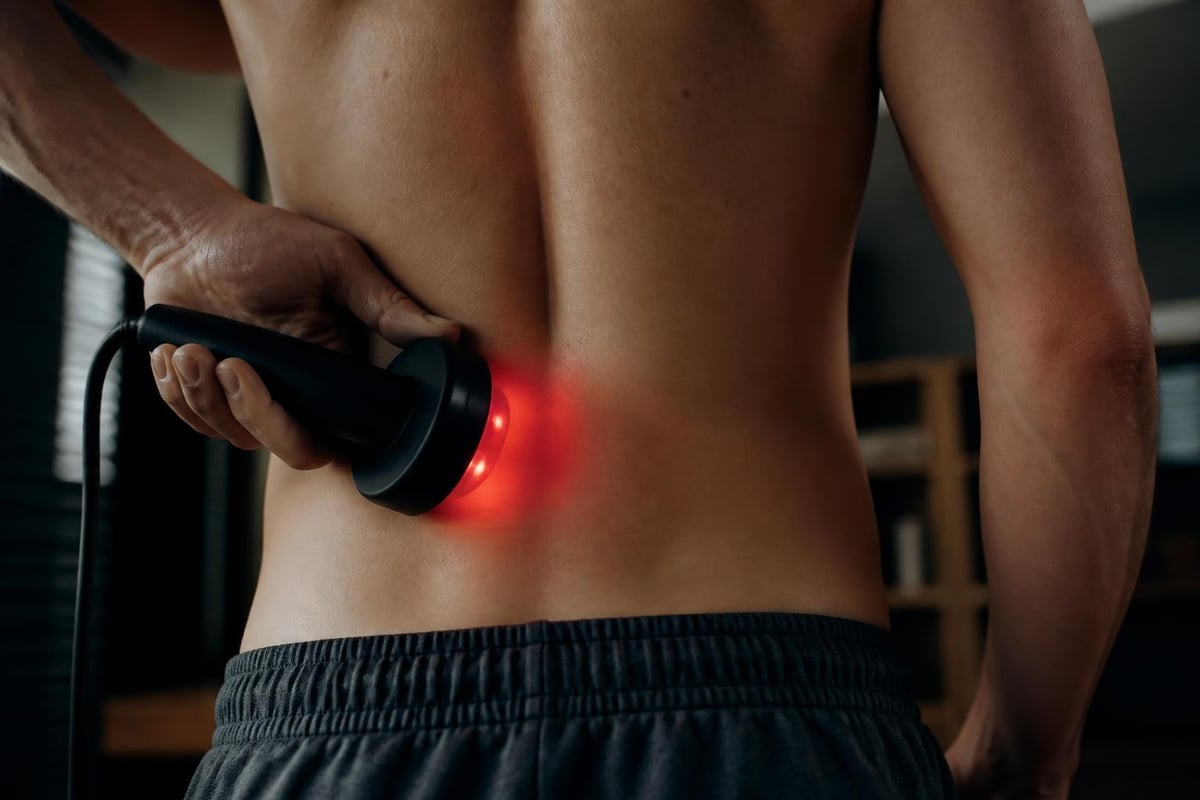
Red light therapy uses specific wavelengths of light, typically between 600 and 850 nanometers, which penetrate the skin and reach the underlying tissue. When applied to the lower back, the light energy is absorbed by cells, which may support the body's natural recovery processes. It's not magic or a cure. It's light doing what light does best: reaching tissue that warmth alone can't always get to.
The two main wavelengths used are red (around 660 nm) and near-infrared (around 850 nm). Red light works closer to the surface, while near-infrared goes deeper. For the lower back, that depth matters because you're dealing with layers of muscle, connective tissue, and fascia that sit below the skin.
What the Research Shows
Multiple studies have examined the use of light therapy for low back discomfort. A systematic review and meta-analysis looked at low-level laser therapy (LLLT) for chronic nonspecific low back pain and noted some positive outcomes, though results varied across trials. Another Cochrane review assessed the overall efficacy of low-level laser therapy and emphasized the need for more high-quality trials.
A randomized controlled trial on infrared therapy explored its use for chronic low back pain and highlighted its safety profile. Meanwhile, a double-blind study examined short-term effects of 890-nanometer light therapy. The takeaway? Light therapy has been studied, and while the science is evolving, many people incorporate it into their wellness routines at home.
Using Red Light Therapy at Home
If you're considering red light therapy for lower back tension, you don't need a clinic or a complicated setup. Home devices have made it simpler to wrap warmth and light around the area that's bothering you. The Rituelle wellness collection includes devices designed for everyday use, no appointment required.
Session Length and Frequency
Most sessions last between five and ten minutes. That's it. You're not committing to an hour-long treatment or a weekly schedule that disrupts your day. Consistency matters more than duration. Using red light therapy for lower back tension a few times a week, or even daily, fits into most routines without much fuss.
Here's a simple guide for structuring sessions:
| Session Duration | Frequency | Time of Day |
|---|---|---|
| 5-10 minutes | 3-5 times per week | Morning or evening |
| 10-15 minutes | 2-3 times per week | After workouts or long sits |
| 5 minutes | Daily | Before bed or upon waking |
Choosing the Right Device
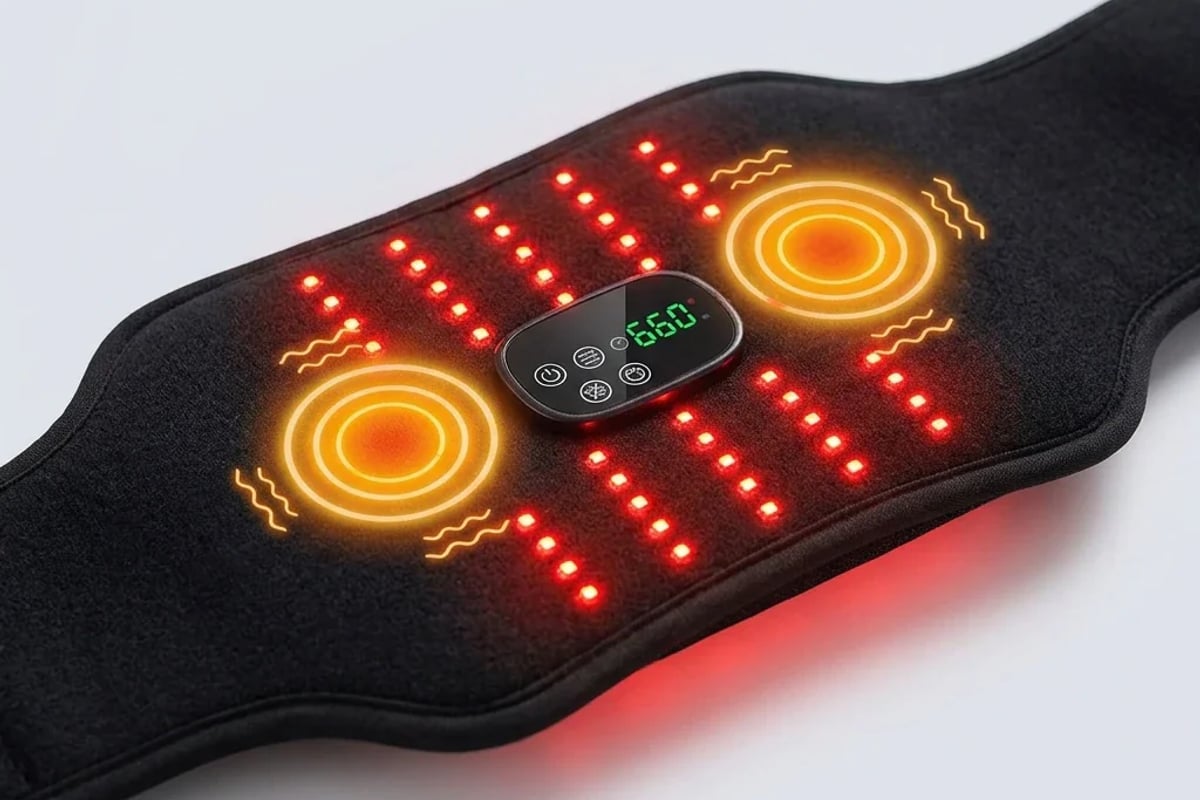
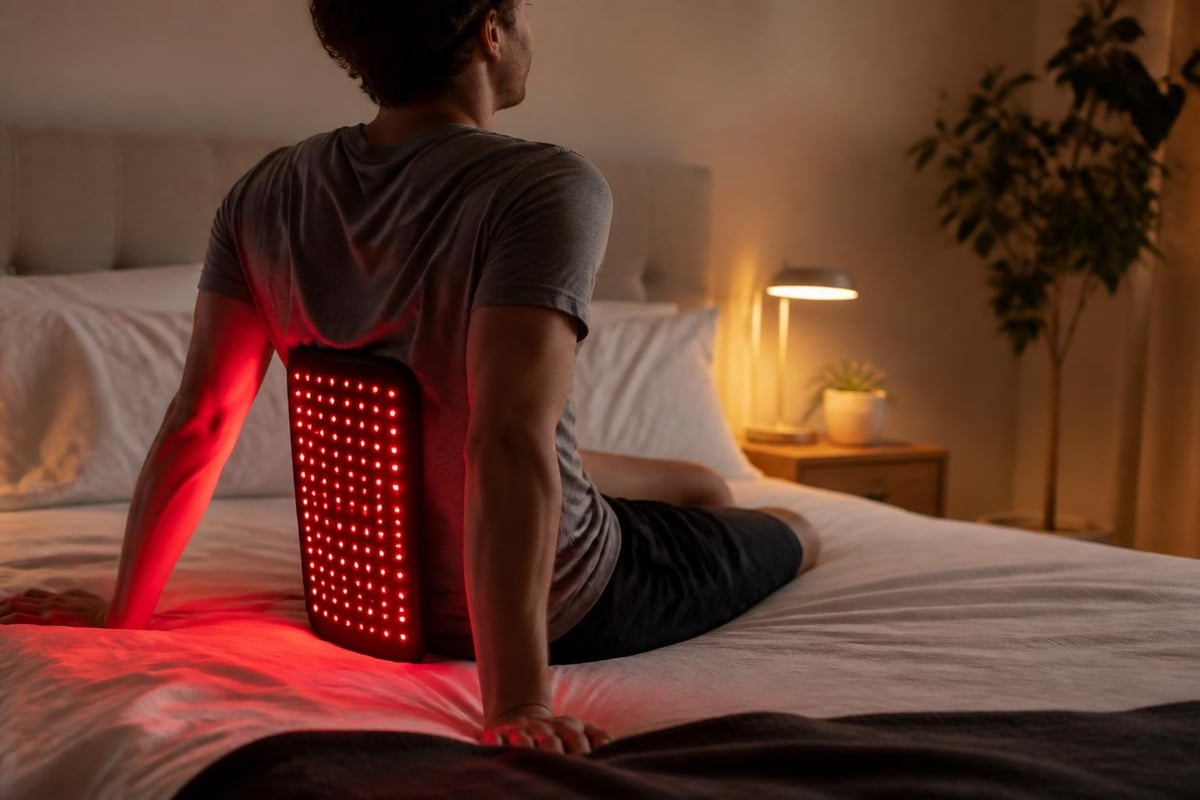
Not all devices are created equal. Look for one that combines red light with heat if you're dealing with lower back tension. Heat helps muscles relax, and when paired with red light, it can make the experience more soothing. Wraps and belts work well because they contour to the body and deliver consistent coverage.
The Infrared Red Light Therapy Belt wraps warmth and red light right where you need it, whether that's your lower back, waist, or wherever you carry the day's tension. Two straps, on in seconds, and then far-infrared heat and 46 red light beads do the work.
What to Expect and When
Red light therapy for lower back tension isn't an instant fix. You might feel warmth and relaxation during the session, but the real benefit comes from regular use over time. Some people notice a difference within a week, while others need a few weeks of consistent sessions.
What you might notice:
- Warmth and relaxation during the session
- Reduced stiffness after a few consistent uses
- Easier movement in the morning or after sitting
- A simple ritual that feels good to repeat
And what you won't notice? Miracles. This isn't a replacement for medical advice or treatment. It's a tool to support your body's natural processes, not a cure for chronic conditions.
Realistic Expectations
People often ask if red light therapy works. The answer depends on what you're hoping for. If you're looking for a way to ease everyday tension and support recovery after a long sit or workout, it can be a helpful addition to your routine. If you're expecting it to eliminate pain overnight, you'll be disappointed.
A study on polarized polychromatic light therapy examined its effects on myofascial trigger points in chronic lower back pain and found some benefit, though individual results varied. The key is consistency and realistic goals.
Pairing Red Light with Other Habits
Red light therapy for lower back works best when it's part of a broader routine. Stretch, move, hydrate, and give your body what it needs to recover. Light therapy can complement those habits, but it doesn't replace them.
Habits that pair well with red light therapy:
- Stretching or yoga before or after sessions to improve flexibility
- Hydration to support tissue health and recovery
- Movement breaks during long desk days to prevent stiffness
- Quality sleep to give your body time to recover overnight
You can also explore other red light therapy products for different areas of the body, from face masks to shoulder massagers, depending on where you need support.
Avoiding Common Mistakes
Don't overdo it. More isn't better. Stick to the recommended session length and frequency. Using the device for 30 minutes straight won't speed up results. It might just leave you feeling too warm and wondering why you didn't follow the instructions.
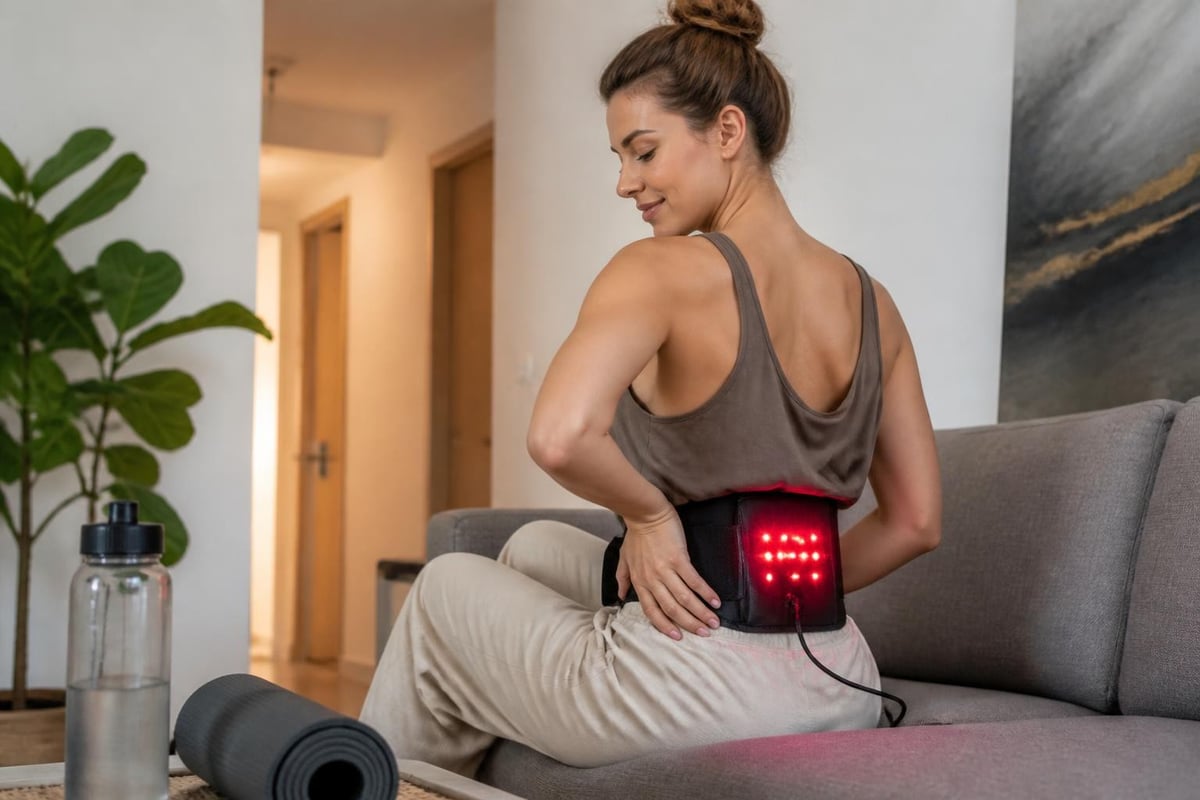
Also, placement matters. The device should sit comfortably against the area you're targeting. If it's slipping or positioned awkwardly, you're not getting the full benefit. Adjust the straps, sit or lie in a comfortable position, and let the device do its job.
Who Benefits Most from At-Home Devices
Adults dealing with everyday tension, long desk days, workouts, and busy routines are ideal candidates for at-home red light therapy. If you're tired of waiting for appointments or paying for spa visits every time your lower back acts up, a home device gives you control over your routine.
It's also a good fit for people who prefer simple, low-maintenance wellness rituals. You're not learning complicated techniques or rearranging your schedule. You're wrapping a device around your back, setting a timer, and moving on with your day.
The Rituelle approach is built around that simplicity: the kind of red light and warmth people pay for at clinics, but in an easy device you use at home for five to ten minutes a day.
Red light therapy for lower back can be a simple, consistent part of your daily routine, especially when you're dealing with tension from desk work, workouts, or everyday movement. It's not a cure, but it can support the way your body recovers and help you feel a bit more comfortable as you move through the day. Rituelle makes it easy to bring warmth and red light home, with devices designed for real routines and real people, shipping free across the US.