

Red Light Therapy Belt Benefits for Daily Comfort
You've seen those fancy clinics where people sit under glowing panels for twenty minutes at a time, paying premium prices for light therapy sessions. But what if you could wrap that same technology around your lower back, your waist, or wherever you carry the day's tension? That's exactly what red light therapy belts do. They bring far-infrared warmth and targeted wavelengths to the spots that need it most, right in your own living room. And the red light therapy belt benefits go well beyond just feeling warm and cozy for a few minutes.
How Red Light Therapy Belts Actually Work
Red light therapy belts use specific wavelengths, typically in the 600 to 850 nanometer range, to deliver light energy through your skin. According to research on red light therapy mechanisms, these wavelengths penetrate tissue and interact with cells in ways that support natural processes. The light doesn't produce heat on its own, though many belts combine red light with far-infrared heat for a dual approach.
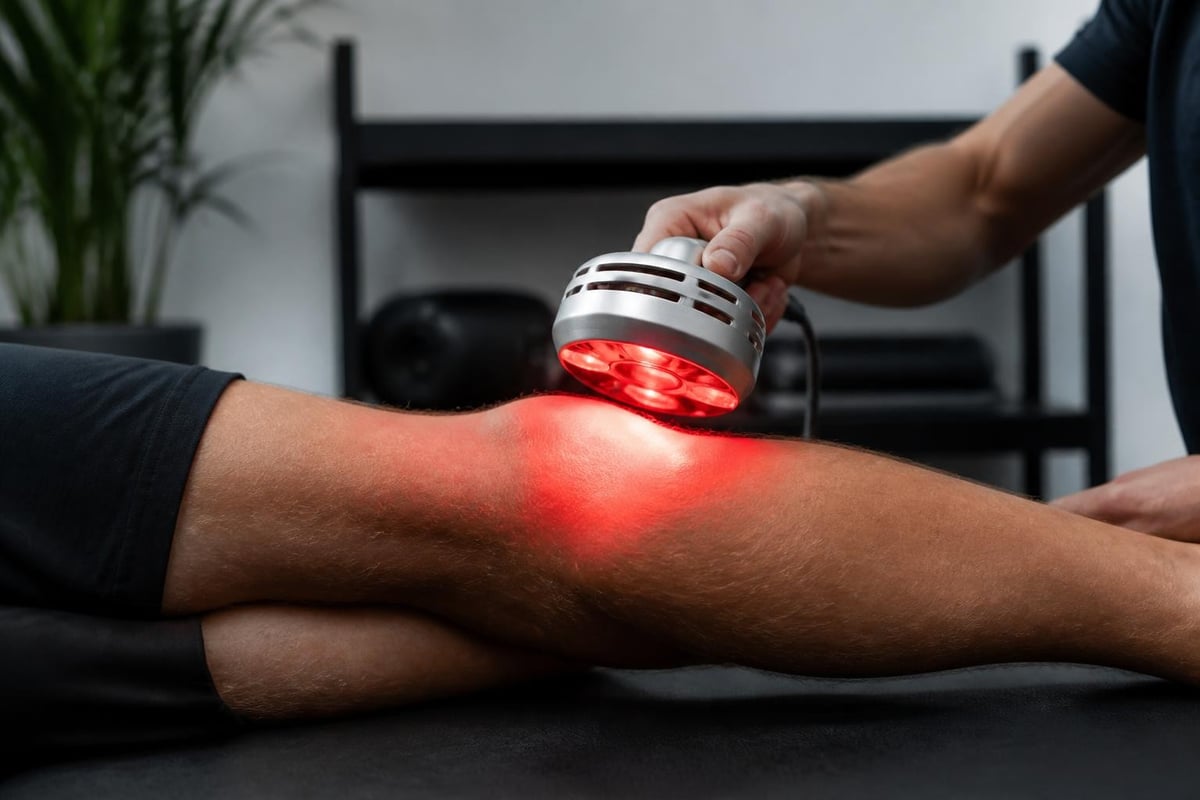
The belts themselves are flexible wraps fitted with LED beads that emit the therapeutic wavelengths. You strap them on, set a timer (usually between five and twenty minutes), and let them do their thing while you answer emails or watch TV. It's the kind of simplicity that actually fits into real life.
The Science Behind Wavelength Selection
Different wavelengths serve different purposes. Red light around 660nm works closer to the surface, which is why you'll often see it discussed in red light therapy benefits for skin. Near-infrared light at 850nm penetrates deeper, reaching muscles and connective tissue. Most belts use both, giving you coverage at multiple depths.
Key Red Light Therapy Belt Benefits
Let's talk about what these devices actually do. The red light therapy belt benefits you'll notice depend on how you use them and what you're looking for, but there are some common threads.
Supporting Post-Workout Recovery
If you lift weights, run, or spend your weekends on the bike trail, you know what the next day feels like. Studies on muscle recovery suggest red light can support the body's natural recovery process after physical activity. The combination of warmth and wavelengths seems to help muscles feel less stiff and more ready to go again.
Common recovery applications include:
- Post-gym sessions for major muscle groups
- After long runs or cycling
- Weekend warrior activities that leave you sore
- Daily movement and stretching routines
Easing Everyday Tension and Discomfort
Desk work is brutal on your lower back. So is standing all day, carrying kids, or just being over thirty and sleeping wrong. Red light therapy belts wrap right around these trouble spots. The warmth feels good immediately, and many people report the effects lasting well beyond the session itself.
The benefits of red light therapy belts for daily comfort are one of the main reasons people keep using them. It's not about a single dramatic moment. It's about feeling a bit better each day, enough to notice the difference when you skip it.
Supporting Skin Appearance
Red light isn't just for muscles. The same wavelengths that support recovery also interact with skin cells. People use red light therapy for supporting the look of skin, particularly around the midsection where belts naturally sit. You're not going to see dramatic changes overnight, but consistent use over weeks may support a healthier appearance.
| Benefit Category | Primary Wavelength | Typical Session Time | Frequency |
|---|---|---|---|
| Muscle recovery | 850nm | 10-20 minutes | Post-activity |
| Daily tension relief | 660nm + 850nm | 5-15 minutes | Daily |
| Skin support | 660nm | 10-15 minutes | 4-5x weekly |
| General wellness | Both | 10 minutes | Daily |
Practical Considerations for Daily Use
You're busy. You don't have time for complicated routines. That's the whole point of these devices. But there are a few things worth knowing before you strap one on and zone out.
Safety and Frequency
Daily use of red light therapy belts is generally considered safe for most people. The light is non-invasive and doesn't produce UV radiation. That said, start with shorter sessions and see how your body responds. Five minutes is fine when you're beginning. You can always add time later.
Some devices get quite warm, especially when combining far-infrared heat with red light. Pay attention to how your skin feels. If it's too hot, adjust the settings or add a thin layer of fabric between the belt and your skin.
Choosing Between Panels and Belts
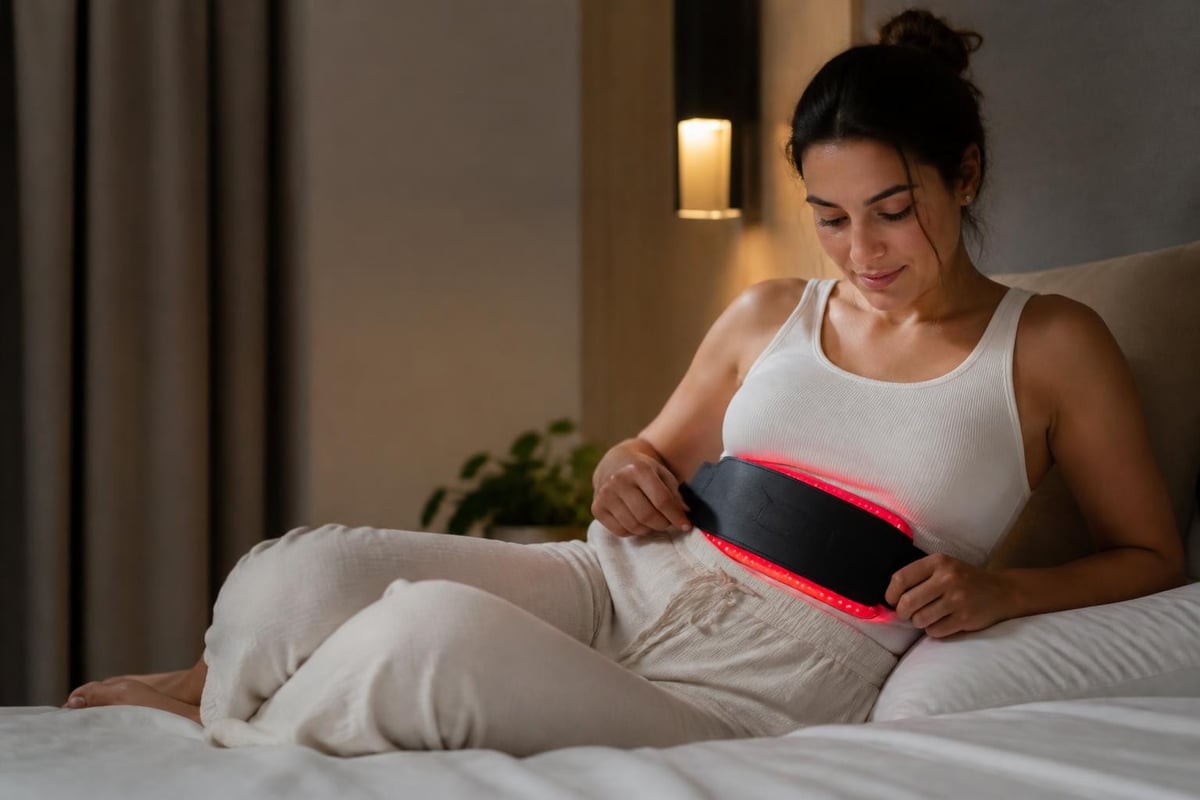
You might wonder whether a full panel or a belt makes more sense. Comparisons between red light panels and belts usually come down to coverage versus targeting. Panels cover more area but require you to sit or stand in front of them. Belts go exactly where you need them and let you move around.
For lower back tension, core areas, or post-workout recovery in specific muscle groups, belts win on convenience. For full-body sessions or areas that are harder to wrap (like your face), panels make more sense. Many people end up with both.
What to Look for in a Quality Device
Not all red light therapy belts deliver the same experience. Here's what matters when you're shopping around.
Essential features include:
- Wavelength specification: Look for devices that clearly state their wavelengths (ideally 660nm and 850nm)
- Adjustable straps: Your waist isn't the same as everyone else's, and you want a secure fit
- Timer function: Built-in timers prevent you from overdoing it or having to watch the clock
- Combination heat: Far-infrared warmth paired with red light offers more immediate comfort
- LED count: More beads generally mean better coverage, though placement matters too
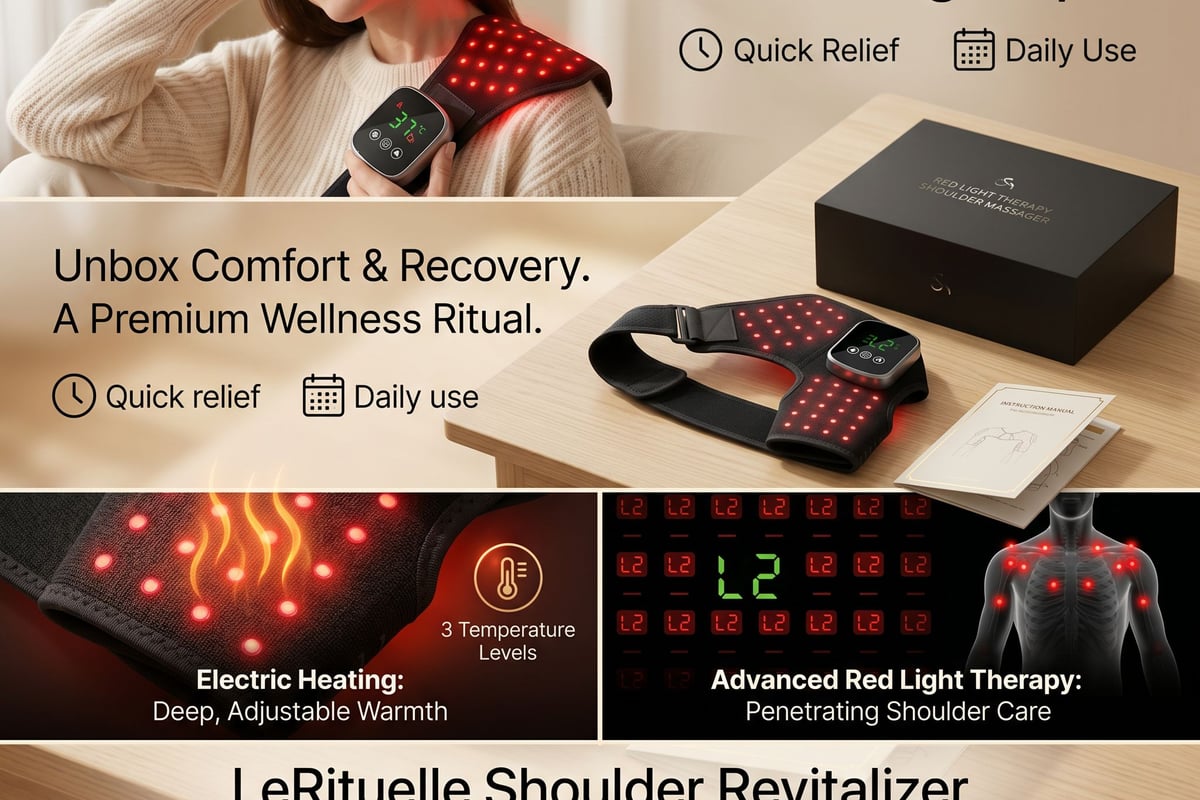
The Infrared Red Light Therapy Belt wraps warmth and red light right where you need it, combining far-infrared heat with targeted wavelengths for your lower back, waist, or any area that carries the day's tension. It's designed for the kind of quick, effective session that actually happens instead of staying on your to-do list.
Reading Between the Marketing Lines
Companies love to make big claims. If a product promises to cure, heal, or treat specific conditions, that's a red flag. Quality manufacturers focus on supporting your body's natural processes, not replacing medical treatment. Look for honest language about what the device does and realistic expectations about timeframes.
Expert reviews on red light therapy belts can help you separate genuine quality from clever marketing. Real users talking about actual experience matter more than technical specs you can't verify.
Building Red Light Into Your Routine
The red light therapy belt benefits you'll actually notice come from consistent use, not occasional sessions. And consistency only happens when something fits into your life without friction.
Morning vs. Evening Sessions
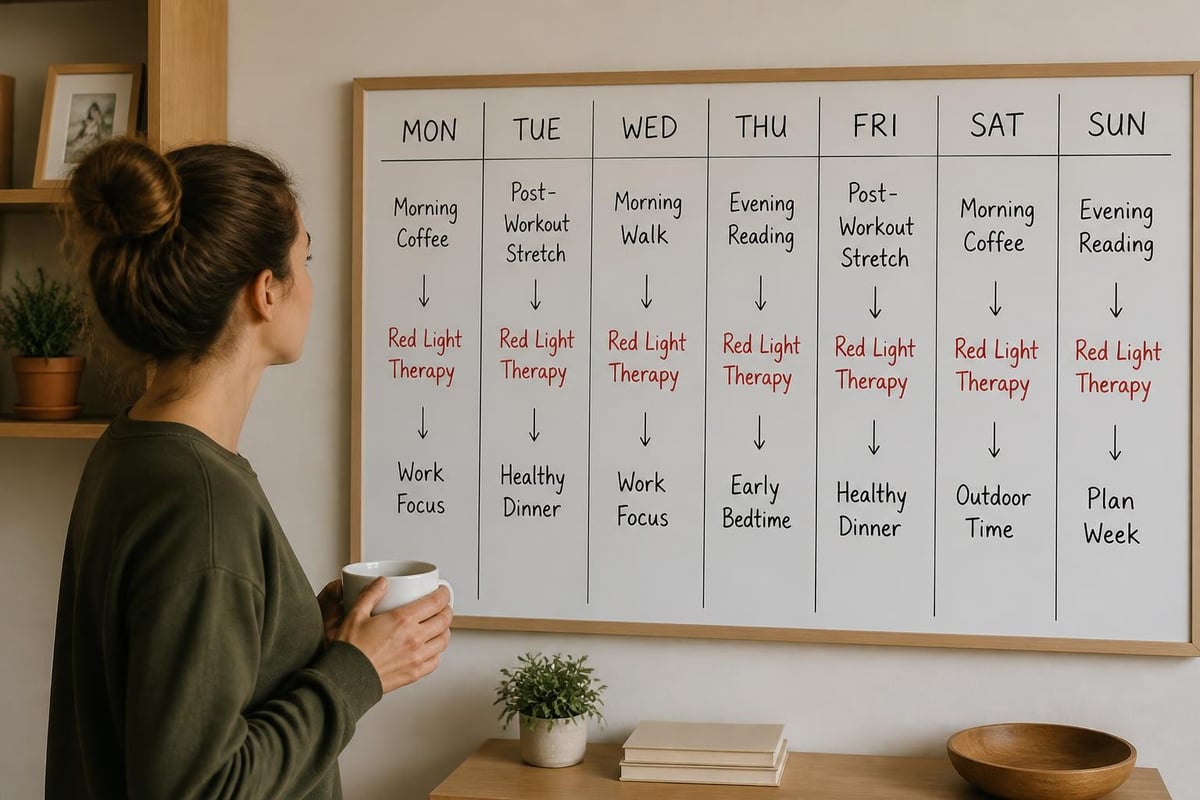
There's no magic time of day for red light therapy. Morning sessions can be a nice way to ease into the day, especially if you wake up stiff. Evening sessions work well for winding down and addressing tension that's built up over the day. Some people do both, targeting different areas.
The key is picking a time when you're already doing something relatively still. Checking emails, having coffee, watching the news, these are all perfect opportunities to strap on a belt and multitask your way to feeling better.
Pairing with Other Wellness Practices
Red light therapy belts work well alongside other simple practices. Stretching while wearing one can feel particularly effective. Some people use them after foam rolling or during meditation. Understanding how red light therapy works helps you think about where it fits in your overall approach to feeling good.
You don't need to build an elaborate routine around it. Just slot it in where it makes sense. The best wellness practice is the one you'll actually do consistently.
Tracking Your Experience
Pay attention to how you feel over a few weeks. Not in a clinical trial kind of way, just noticing. Does your lower back feel different after your workout? Are you sleeping better? Do certain movements feel easier? These subjective markers matter more than trying to measure abstract metrics.
Some days you'll notice more effect than others. That's normal. The benefits tend to be cumulative and subtle rather than dramatic and immediate.
Red light therapy belts bring professional-level wavelengths and warmth into a format that actually works with real life. The combination of targeted delivery, far-infrared heat, and simple operation makes them practical for daily use. Whether you're dealing with post-workout stiffness, desk-induced tension, or just want to support your body through busy days, these devices offer a tangible way to feel better without adding complexity to your routine. Rituelle designs red light therapy and heated massage devices for exactly this purpose, delivering the kind of therapeutic warmth and wavelengths you'd find at a clinic in a format you can use at home for five to ten minutes a day, with free shipping on every order across the US.