

Red Light Therapy After Workout: Recovery and Timing
You've pushed through the workout, felt the burn, and now you're sitting there wondering what comes next. The stretching, sure. The protein shake, maybe. But what about actually helping your muscles recover faster? That's where red light therapy after workout comes into play, and it's not just another wellness trend that sounds good on paper.
What Happens in Your Muscles After Exercise
When you work out, you're essentially creating tiny tears in your muscle fibers. That's the whole point. Your body repairs those tears, and that's how you get stronger. But the process isn't always smooth. You get inflammation, soreness, and sometimes that stiffness that makes sitting down feel like a major project.
Your muscles need blood flow, oxygen, and time to rebuild. Anything that supports those processes can make recovery faster and more comfortable. And that's exactly what red light therapy aims to do, working at the cellular level rather than just masking symptoms.
How Red Light Works on Tired Muscles
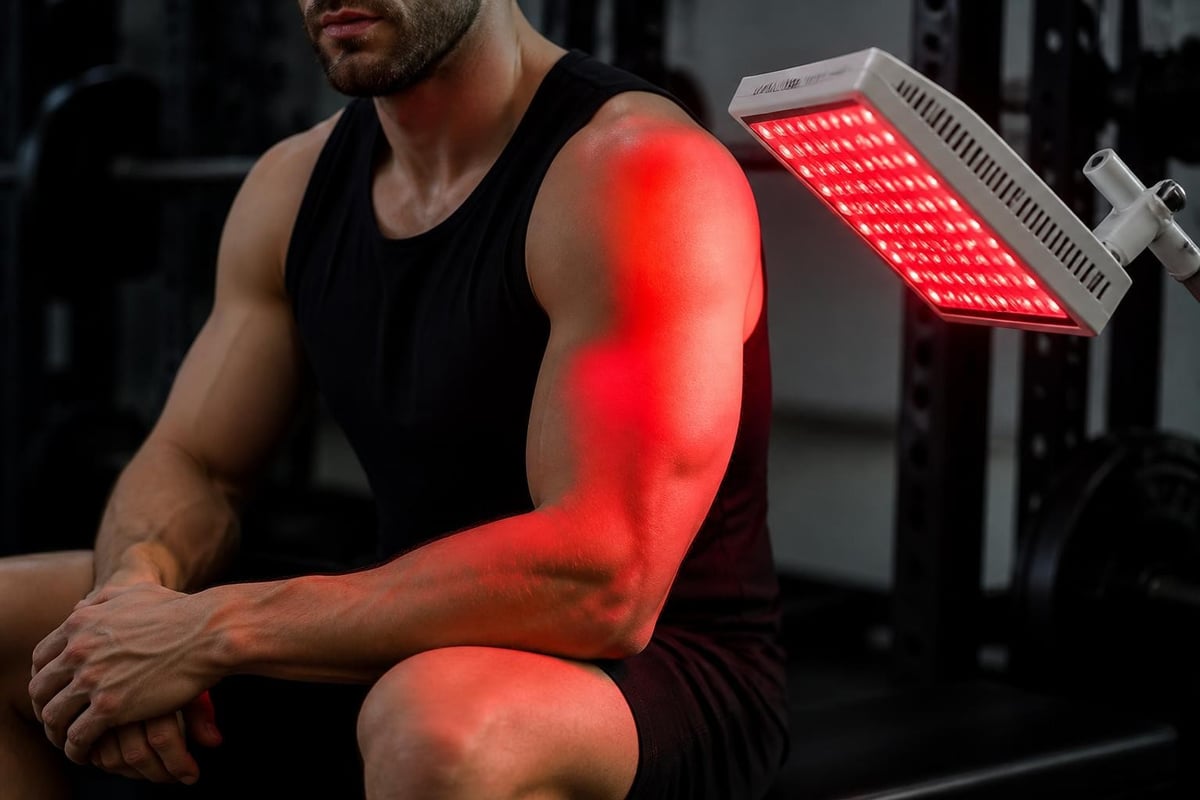
Red light therapy uses specific wavelengths of light (typically 630-850nm) that penetrate your skin and reach muscle tissue. Once there, it's absorbed by your mitochondria, the parts of your cells that produce energy. More energy production means your cells can repair themselves more efficiently.
It's not about heat, though many devices combine warmth with red light. The light itself stimulates cellular activity, which can support the body's natural recovery processes. Think of it as giving your cells a little boost when they're working overtime to fix what you just put them through.
The Science Behind Post-Workout Red Light Sessions
Studies have looked at red light therapy's impact on exercise recovery, and the results are interesting. Research suggests it may help reduce delayed onset muscle soreness (DOMS), that lovely feeling you get a day or two after a hard session. It also appears to support muscle performance and reduce markers of inflammation.
One key finding is timing. Using red light therapy immediately after exercise appears to be particularly effective, when inflammation is just starting to ramp up. But consistency matters more than perfect timing. Regular sessions tend to produce better results than occasional use.
Key benefits include:
- Support for muscle recovery processes
- Reduced appearance of exercise-induced inflammation
- Comfort during the soreness phase
- Support for overall muscle performance over time
It's worth noting that red light therapy doesn't replace proper nutrition, hydration, or sleep. It's one tool in your recovery toolkit, not a magic fix that lets you skip the basics.
How to Add Red Light Therapy to Your Recovery Routine
The practical side matters. You're not going to stick with something that's complicated or time-consuming, especially when you're already tired from training. The good news is that effective sessions don't take long. Most protocols suggest 10-20 minutes per area.
Simple steps to get started:
- Finish your workout and cool down normally
- Hydrate and stretch as usual
- Apply red light therapy to the muscles you worked (within 30-60 minutes post-workout when possible)
- Relax during the session, no need to stay perfectly still
- Continue with your normal recovery routine
You can use red light therapy on your legs after a run, your shoulders after an upper body session, or your back after deadlifts. The idea is to target the areas that actually worked hard. Timing your sessions right after exercise lets you capitalize on that immediate recovery window.
Comparing Recovery Methods
| Method | Time Required | Portability | Targets Inflammation | Ease of Use |
|---|---|---|---|---|
| Red Light Therapy | 10-20 min | High (home devices) | Yes | Very easy |
| Ice Bath | 10-15 min | Low | Yes | Uncomfortable |
| Foam Rolling | 15-30 min | Medium | Indirect | Moderate effort |
| Compression Garments | Hours (worn) | High | Indirect | Very easy |
| Massage | 30-60 min | Low (requires therapist) | Yes | Easy but expensive |
Each method has its place, but red light therapy stands out for convenience. You're not filling a tub with ice or scheduling appointments. You're wrapping a device around the sore spot and letting it do its thing while you scroll your phone or answer emails.
What to Expect From Regular Sessions
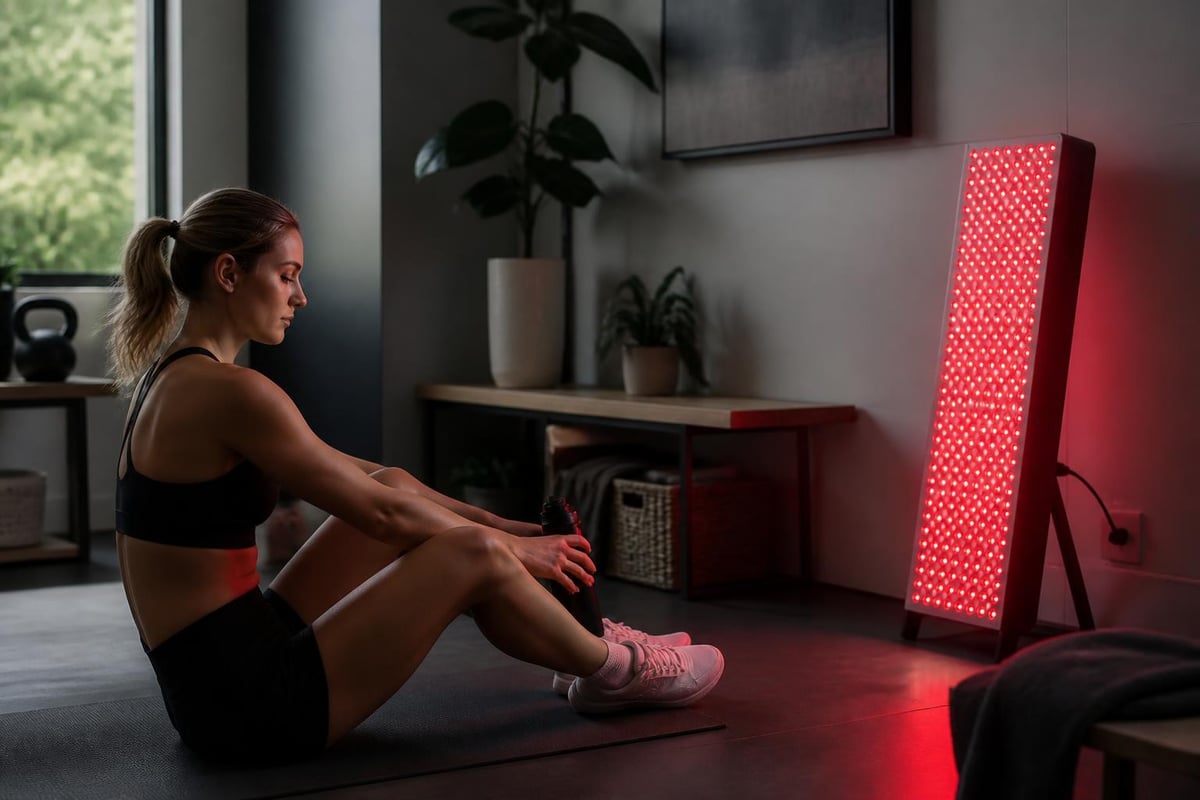
Let's be realistic. You're not going to feel dramatically different after one session. The effects build over time, usually within a few weeks of consistent use. Some people notice they're less sore after tough workouts. Others find they can train more frequently without feeling beaten up.
The real benefit shows up in your routine rather than in single sessions. When you're using red light therapy after workout sessions consistently, recovery becomes part of your training plan rather than something you think about only when you're really hurting.
For everyday athletes juggling work, family, and fitness, the appeal is simple: faster bounce-back without extra appointments or complicated protocols. You can use it at home, in whatever you're wearing, while doing basically anything else. No special setup, no mess, no freezing cold water.
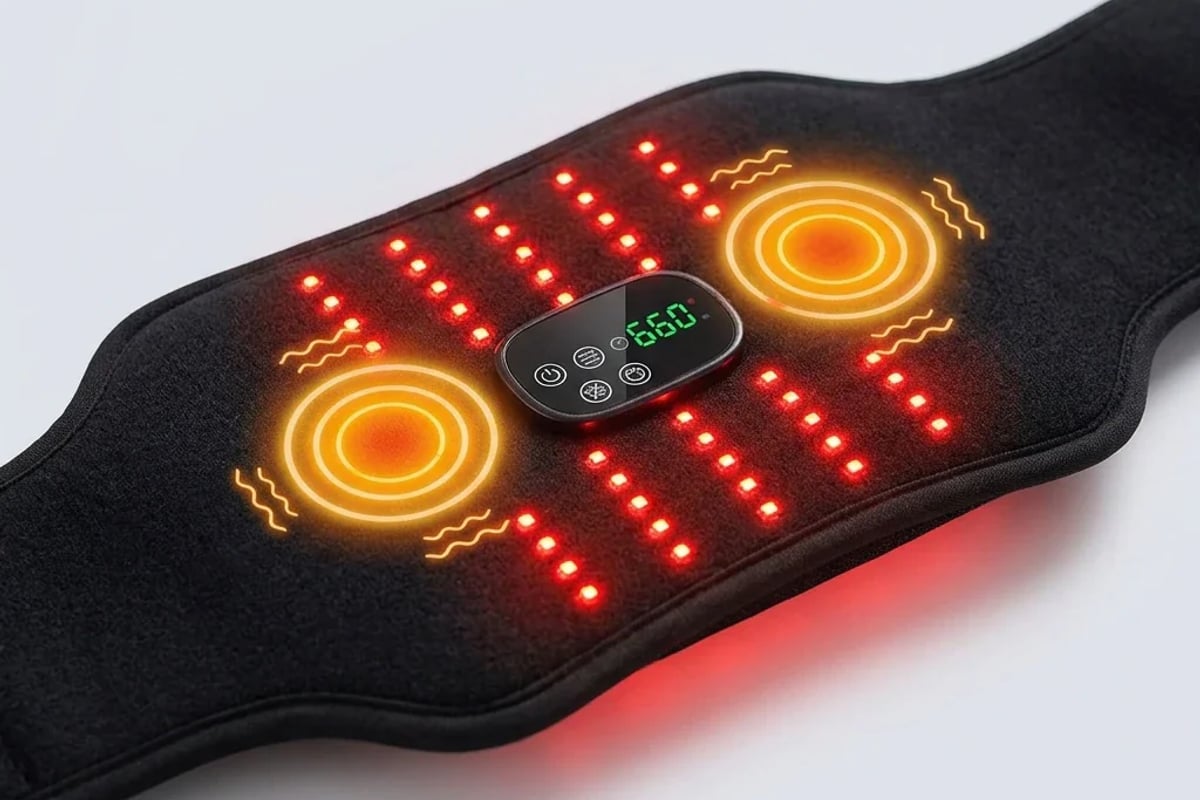
If you're dealing with the usual post-workout tightness in your lower back or shoulders, targeted red light and heat can make those minutes after training more productive. The Infrared Red Light Therapy Belt wraps warmth and red light right where you need it, turning recovery time into something you actually look forward to rather than another chore on the list.
Best Practices and What to Avoid
Distance matters. Most devices work best 6-12 inches from your skin, though wearable wraps sit directly on the body by design. Duration matters too, but more isn't always better. Longer sessions don't necessarily produce better results, and you can't really "overdose" on red light, but you can waste time.
Things to keep in mind:
- Consistency beats intensity (regular short sessions work better than occasional long ones)
- Clean skin helps (sweat and lotions can interfere with light penetration)
- Hydration supports the whole recovery process
- Track how you feel over weeks, not days
Don't expect red light therapy to fix poor training decisions. If you're not sleeping enough, eating poorly, or overtraining, no recovery tool is going to compensate. But when you're doing the basics right and looking for that extra edge in recovery, post-workout red light sessions make sense.
Integrating This Into Real Life
The theory is nice, but how does this actually work when you've got a job, responsibilities, and a life outside the gym? The answer is simplicity. If a recovery method requires perfect conditions or extensive setup, you won't do it. That's just human nature.
Red light therapy after workout fits because it's passive. You're already sitting there cooling down anyway. You're already checking your phone or planning dinner. Adding a device that wraps around your back or drapes over your shoulders doesn't disrupt that. It just makes those minutes more productive.
The devices designed for home use have gotten good. You're not talking about massive panels that take up half a room or require special electrical work. Most are portable, rechargeable, and simple enough that you don't need to read a manual every time. Whether you explore wellness products or stick with basic protocols, the key is making it easy enough to actually do regularly.
Some people use red light therapy every day. Others use it only after harder training sessions. Finding what works for your schedule matters more than following someone else's perfect protocol. Start with a few times a week and adjust based on how you feel and what you can realistically maintain.
Red light therapy after workout offers a practical way to support your body's natural recovery processes without adding complexity to your routine. It's not magic, but it's a tool that actually fits into real life, the kind of simple ritual that makes training feel more sustainable over time. Rituelle brings that spa-level recovery home with devices designed for the muscles you actually use, from wraps that target your back and shoulders to options for knees and beyond. Five to ten minutes after your workout, right in your living room, with free shipping on every order. That's recovery that doesn't require a second appointment.