

LED Phototherapy Mask: Transform Your Skin at Home
The skincare industry has experienced a revolutionary shift toward technology-driven solutions, and among the most transformative innovations is the LED phototherapy mask. This professional-grade device brings the power of light therapy directly into your home, offering targeted treatment for everything from fine lines to acne breakouts. Understanding how these masks work and selecting the right one for your unique skin concerns can dramatically improve your complexion while eliminating the time and expense of regular salon visits.
Understanding LED Phototherapy Technology
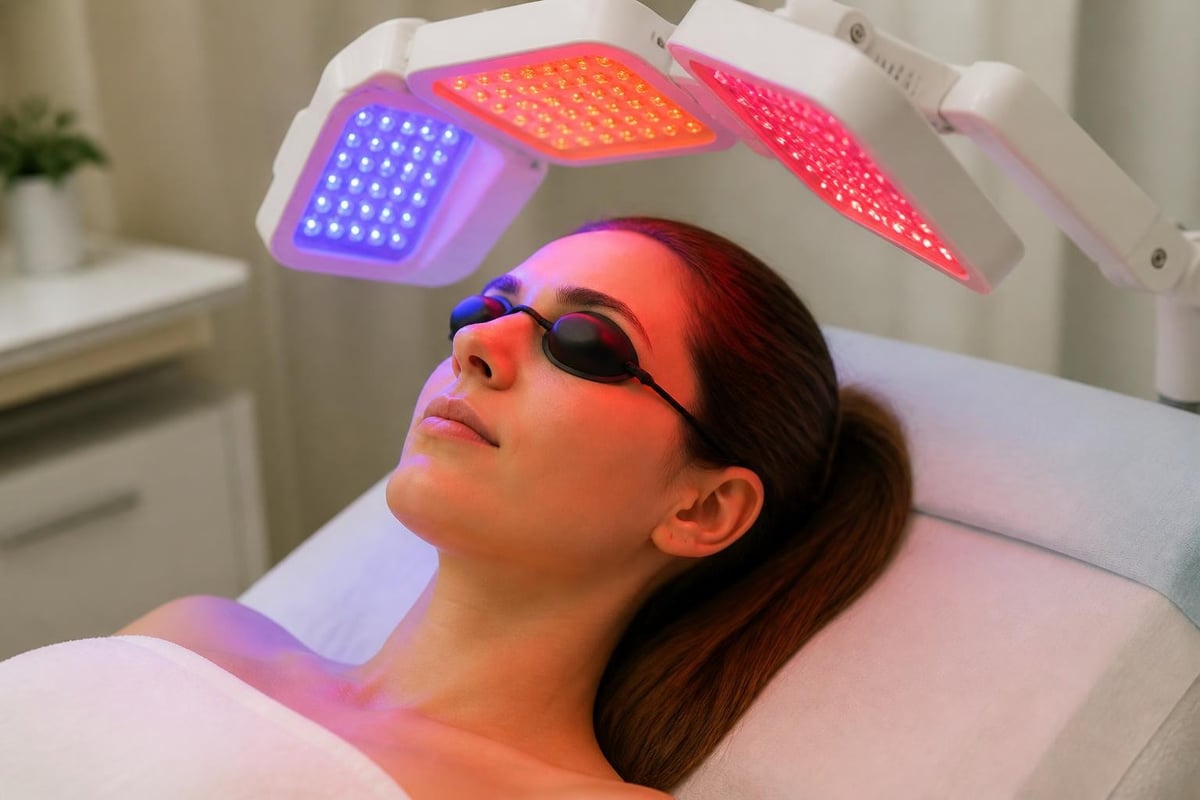
An led phototherapy mask harnesses specific wavelengths of light to penetrate skin at various depths, triggering natural cellular responses that improve skin health. Unlike traditional skincare products that work topically, phototherapy operates at a cellular level, stimulating processes like collagen production and reducing inflammation through photobiomodulation.
The science behind these devices centers on how different light wavelengths interact with skin cells. Red light wavelengths typically range between 630-700 nanometers, penetrating deeply to boost circulation and stimulate fibroblasts responsible for collagen synthesis. Blue light operates at 405-420 nanometers, targeting the sebaceous glands and destroying acne-causing bacteria on the skin's surface.
How Different Wavelengths Work
Each color of light serves a distinct therapeutic purpose:
- Red Light (630-700nm): Stimulates collagen production, reduces fine lines, improves skin texture, and accelerates wound healing
- Blue Light (405-420nm): Kills acne-causing bacteria, regulates oil production, and reduces breakouts
- Near-Infrared (700-1000nm): Penetrates deepest for enhanced cellular regeneration and anti-inflammatory effects
- Yellow/Amber Light (570-590nm): Reduces redness, calms sensitive skin, and improves lymphatic flow
- Green Light (525-550nm): Targets hyperpigmentation, evens skin tone, and reduces dark spots
Research has validated these therapeutic effects. A recent study published in PubMed evaluated home-used LED and infrared masks specifically for treating crow's feet, demonstrating measurable improvements in skin texture and wrinkle depth after consistent use over several weeks.
Clinical Benefits and Treatment Applications
The led phototherapy mask delivers professional-quality results across multiple skin concerns. Clinical evidence supports its effectiveness for anti-aging applications, with users reporting visible reduction in fine lines, improved skin firmness, and enhanced radiance after regular treatments.
Anti-Aging and Collagen Stimulation
Red and near-infrared wavelengths excel at reversing visible signs of aging. These longer wavelengths penetrate into the dermal layer where collagen and elastin reside, stimulating fibroblast activity that naturally declines with age. Users typically notice improvements in skin firmness within 4-6 weeks of consistent use.
The photobiomodulation process increases ATP production in skin cells, providing them with more energy to repair and regenerate. This enhanced cellular metabolism translates to faster cell turnover, reduced appearance of age spots, and improved overall skin quality.
Acne Treatment and Prevention
Blue light therapy has revolutionized at-home acne management. The specific wavelength penetrates pores where Propionibacterium acnes bacteria reside, producing reactive oxygen species that destroy these microorganisms without damaging surrounding tissue. Combined with red light to reduce inflammation, many users see significant acne reduction within two weeks.
| Skin Concern | Primary Wavelength | Treatment Frequency | Expected Timeline |
|---|---|---|---|
| Fine Lines | Red (630-700nm) | 5-7 times weekly | 4-6 weeks |
| Active Acne | Blue (405-420nm) | Daily | 2-3 weeks |
| Hyperpigmentation | Green (525-550nm) | 3-5 times weekly | 6-8 weeks |
| Rosacea/Redness | Yellow (570-590nm) | 3-4 times weekly | 3-5 weeks |
| Deep Wrinkles | Near-Infrared (700-1000nm) | 5-6 times weekly | 8-12 weeks |
For those interested in how light therapy extends beyond facial applications, Rituelle's approach to red light therapy demonstrates the versatility of this technology across various wellness applications.
Safety Considerations and Contraindications
While LED phototherapy is generally considered safe for most users, understanding proper usage guidelines ensures optimal results without adverse effects. Comprehensive safety research indicates that LED masks pose minimal risk when used according to manufacturer instructions, though certain populations should exercise caution.
Who Should Avoid LED Phototherapy
Specific conditions warrant consultation with a dermatologist before beginning treatment:
- Active skin infections or open wounds: Wait until skin has fully healed
- Photosensitivity disorders: Conditions like lupus may be exacerbated by light exposure
- Pregnancy: Limited research exists on safety during pregnancy
- Recent chemical peels or laser treatments: Allow 4-6 weeks recovery time
- Certain medications: Photosensitizing drugs like tetracycline or retinoids may cause reactions
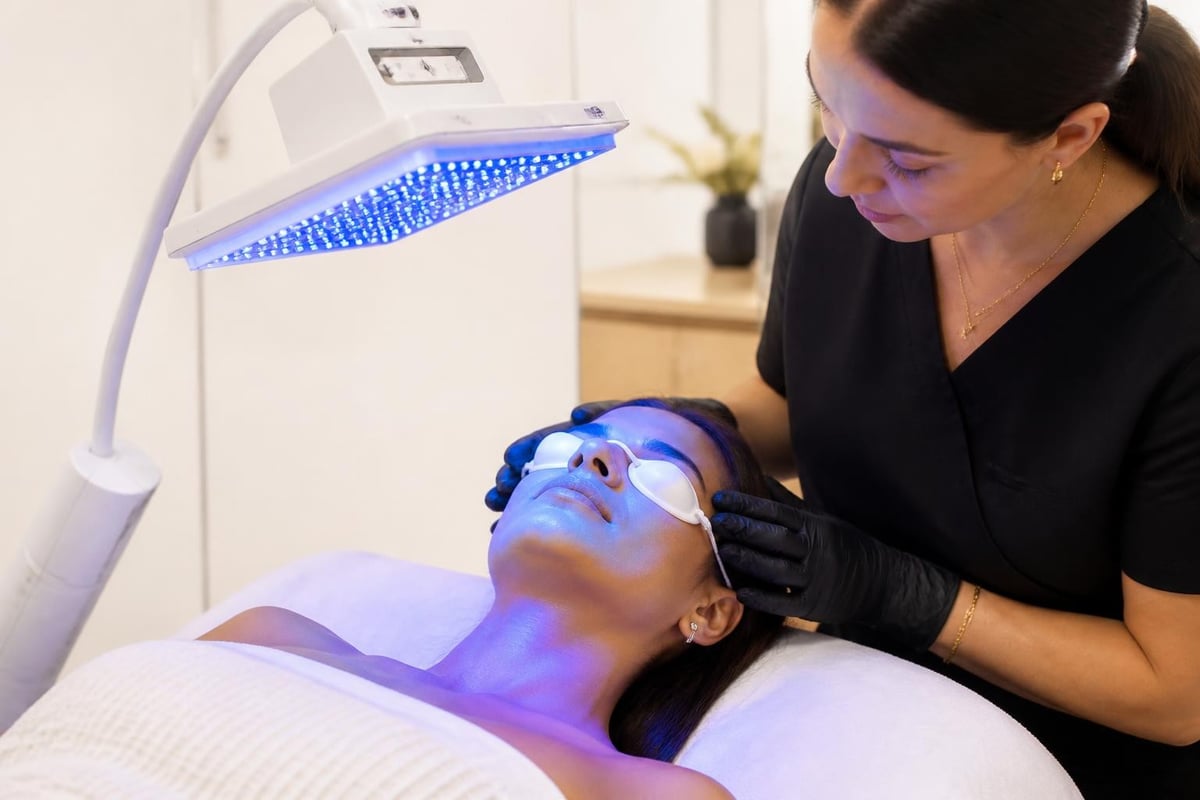
Eye protection deserves special attention. Most quality masks include built-in eye shields, but users should always close their eyes during treatment. Never look directly at LED lights during operation to protect retinal health.
Material Safety and Device Quality
The construction materials of an led phototherapy mask significantly impact both safety and effectiveness. Medical-grade silicone or hypoallergenic plastics prevent skin irritation and ensure even light distribution across facial contours. Safety evaluations emphasize checking for FDA clearance or CE certification when selecting devices.
Quality devices maintain consistent light output throughout their lifespan, typically 50,000+ hours of use. Cheaper alternatives may degrade quickly, delivering inconsistent wavelengths that reduce treatment effectiveness or potentially cause skin irritation.
Selecting the Right LED Phototherapy Mask
The market offers numerous options ranging from budget-friendly to premium professional-grade devices. Expert reviews highlight that effective masks share key characteristics: multiple wavelength options, adequate LED density, comfortable fit, and reliable power output.
Key Features to Evaluate
LED Count and Distribution: More LEDs generally mean better coverage and faster results. Professional-grade masks typically feature 150-300 individual LED bulbs strategically positioned for comprehensive facial coverage including forehead, cheeks, chin, and neck.
Treatment Modes: Multi-functional masks offering various light combinations provide greater versatility. A device with red, blue, and combination modes allows customization based on changing skin needs throughout the year.
Comfort and Wearability: Treatment sessions typically last 10-20 minutes, making comfort essential. Look for adjustable straps, lightweight construction, and breathable materials that don't cause pressure points or overheating.
Power Source and Portability: Corded devices deliver consistent power output but limit mobility. Rechargeable cordless options offer flexibility for multitasking during treatment sessions, though battery life varies significantly between models.
Understanding optimal usage frequency helps maximize results while avoiding overuse that could potentially stress skin cells.
Integrating LED Therapy into Your Skincare Routine
Successful outcomes depend not just on the device itself but on proper integration with your existing skincare regimen. The led phototherapy mask works most effectively on clean, product-free skin, allowing maximum light penetration without interference from oils or active ingredients.
Pre-Treatment Preparation
Start with thorough cleansing using a gentle, non-abrasive cleanser. Remove all makeup, sunscreen, and skincare products completely. Pat skin dry rather than rubbing to avoid irritation. Some practitioners recommend light exfoliation 24 hours before treatment to remove dead skin cells that might block light absorption.
Avoid applying any serums, oils, or moisturizers immediately before LED therapy. These products create a barrier that reflects light away from skin rather than allowing penetration. Save your active ingredients for post-treatment application when enhanced cellular activity maximizes absorption.
During Treatment
- Position the mask snugly against facial contours without excessive pressure
- Ensure LED panels make close contact with skin for optimal light delivery
- Close eyes and relax for the full treatment duration
- Maintain stillness to prevent uneven exposure
- Start with shorter sessions (10 minutes) before progressing to longer treatments
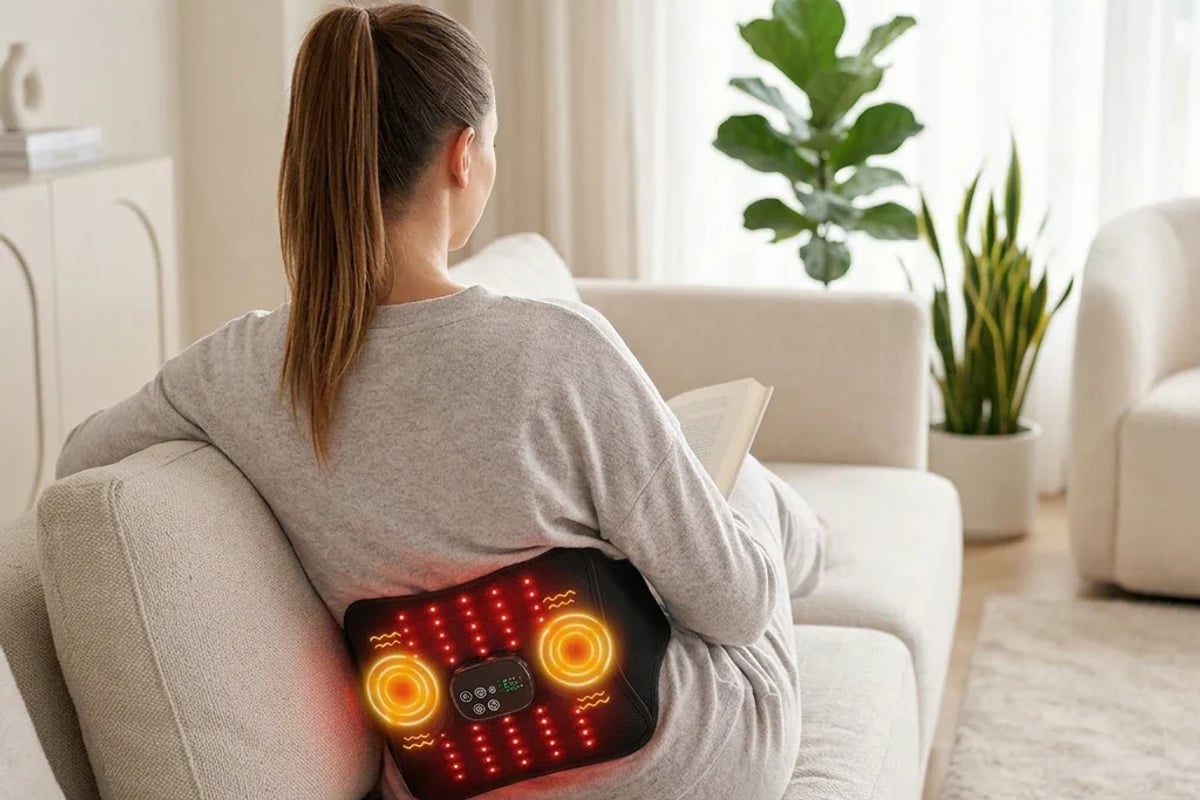
For comprehensive benefits beyond facial treatment, some users incorporate body-focused devices into their wellness routines. The Infrared Red Light Therapy Belt extends therapeutic light benefits to larger areas, combining red light with gentle vibration for targeted muscle relief and circulation enhancement.
Post-Treatment Care
Immediately following LED therapy, skin experiences heightened receptivity to active ingredients. This optimal absorption window lasts approximately 30 minutes, making it the perfect time to apply serums containing hyaluronic acid, peptides, or antioxidants. The increased cellular activity enhances ingredient penetration significantly.
Apply a quality moisturizer to lock in hydration and support the skin barrier. Morning treatments should always conclude with broad-spectrum SPF 30+ sunscreen, as phototherapy may temporarily increase photosensitivity despite not causing actual sun damage.
Maximizing Results Through Consistency
The most common mistake users make with LED phototherapy involves inconsistent application. Unlike invasive treatments delivering immediate dramatic changes, phototherapy builds results gradually through cumulative cellular improvements. Research on red light therapy benefits demonstrates that consistent use over 8-12 weeks yields the most significant transformations.
Creating a Sustainable Treatment Schedule
Week 1-4: Begin with 5-7 treatments per week, each lasting 10-15 minutes. This intensive initial phase jump-starts cellular response and establishes baseline improvements.
Week 5-8: Maintain 4-5 weekly sessions as improvements become visible. Users typically notice enhanced radiance, reduced inflammation, and smoother texture during this phase.
Week 9-12: Continue 3-4 weekly treatments while monitoring progress. Fine lines soften, skin firmness improves, and complexion evenness becomes more pronounced.
Maintenance Phase: After achieving desired results, reduce to 2-3 weekly sessions to maintain benefits long-term.
Combining LED Therapy with Other Treatments
An led phototherapy mask complements various skincare interventions, though timing and combination strategies matter significantly. Understanding which treatments synergize and which require separation prevents adverse reactions while maximizing overall results.
Compatible Treatments
LED therapy enhances outcomes when paired with:
- Microcurrent devices: Alternate days or use microcurrent before LED for enhanced product absorption
- Facial massage: Lymphatic drainage before LED therapy reduces puffiness and improves circulation
- Hyaluronic acid serums: Apply immediately post-treatment for deep hydration
- Peptide formulations: LED exposure enhances peptide penetration for amplified collagen synthesis
- Gentle chemical exfoliants: Use on alternate days to remove dead cells without over-sensitizing skin
Treatments Requiring Caution
Exercise care when combining LED phototherapy with more aggressive interventions. Wait 4-6 weeks after professional peels, laser resurfacing, or microneedling before resuming LED treatments. Retinoids and high-percentage acids may increase photosensitivity, requiring reduced frequency or concentration when using LED therapy concurrently.
Professional Quality at Home
The evolution of LED technology has made professional-grade phototherapy accessible for home use without compromising safety or effectiveness. Modern LED face mask reviews acknowledge that while premium devices deliver superior results through higher LED counts and better engineering, even mid-range options can provide meaningful benefits when used consistently.
Investment Considerations
Quality LED phototherapy masks represent significant upfront investment, typically ranging from $150 to $600 depending on features and brand reputation. However, comparing this one-time purchase to the cumulative cost of monthly professional LED facials ($75-150 per session) demonstrates substantial long-term savings.
Calculate your break-even point: A $400 professional-grade mask equals approximately 3-5 professional treatments. With proper care, home devices last several years, delivering hundreds of treatments at a fraction of salon costs.
Maintenance and Device Longevity
Proper care extends the lifespan and effectiveness of your led phototherapy mask significantly. Unlike disposable skincare products, these devices require minimal maintenance while delivering years of reliable service when handled correctly.
Cleaning Protocols
After each use, wipe the interior surface with a soft microfiber cloth slightly dampened with alcohol-free antibacterial solution. Never submerge the device in water or use harsh chemicals that might damage LED panels or electronic components. Allow the mask to air dry completely before storage to prevent moisture buildup and bacterial growth.
Store your mask in its original protective case or a clean, dry environment away from direct sunlight and extreme temperatures. Proper storage prevents dust accumulation and accidental damage to delicate LED arrays.
Monitoring Performance
LED bulbs gradually lose intensity over thousands of hours of use, though quality devices maintain therapeutic effectiveness for 2-5 years of regular use. If you notice diminished results after extended use, reduced light output may indicate approaching end-of-life for the LED arrays. Most manufacturers offer replacement or upgrade programs.
Common Misconceptions and Realistic Expectations
Understanding what LED phototherapy can and cannot achieve prevents disappointment and helps users appreciate genuine results. An led phototherapy mask delivers measurable improvements in skin quality, but it isn't a miracle cure for severe dermatological conditions or a replacement for comprehensive skincare.
What LED Therapy Can Do
- Visibly reduce fine lines and mild to moderate wrinkles through increased collagen production
- Improve overall skin texture, firmness, and radiance
- Reduce inflammatory acne and prevent future breakouts
- Even skin tone and diminish mild hyperpigmentation
- Accelerate healing of minor blemishes and irritation
- Enhance product absorption and skincare efficacy
What LED Therapy Cannot Do
- Eliminate deep wrinkles or severe skin laxity (these require professional interventions)
- Remove tattoos or permanent discoloration
- Cure medical skin conditions like eczema or psoriasis
- Replace comprehensive sun protection or healthy lifestyle habits
- Deliver instant results (requires consistent multi-week commitment)
- Compensate for poor-quality skincare products or inadequate routine
Advanced Usage Strategies
Experienced users develop sophisticated approaches to maximize their led phototherapy mask benefits by customizing wavelength selection, timing, and integration with complementary therapies based on specific goals and skin responses.
Targeted Wavelength Rotation
Rather than using the same setting daily, rotate wavelengths based on skin needs:
- Monday, Wednesday, Friday: Red light for anti-aging and collagen stimulation
- Tuesday, Thursday: Blue light for acne prevention and oil control
- Saturday: Combination mode for comprehensive benefits
- Sunday: Rest day allowing skin recovery
This rotation prevents potential photoadaptation where skin becomes less responsive to consistent single-wavelength exposure.
Seasonal Adjustments
Modify your LED protocol based on environmental factors affecting skin throughout the year. Winter months often require increased red light sessions to combat dryness and dullness from indoor heating. Summer might benefit from more blue light to manage increased oil production and breakouts from heat and humidity.
LED phototherapy masks represent a remarkable convergence of clinical skincare science and accessible home wellness technology, delivering measurable improvements in skin health through consistent application. By selecting quality devices, following proper safety protocols, and maintaining realistic expectations through dedicated use, you can achieve professional-quality results without ongoing salon expenses. Rituelle brings this transformative technology directly to your home with professionally engineered light therapy devices designed for effective, safe daily use, while every purchase contributes to breast cancer research, making your journey to radiant skin meaningful beyond beauty.