

Knee Massager with Heat: Relief in Minutes
Your knees carry the weight of every step, every squat, every mile you run or walk. They handle the stairs, the workouts, the long days standing or sitting. And sometimes, they remind you about all of it with stiffness, discomfort, or that nagging feeling that won't quit. That's where a knee massager with heat steps in, offering warmth and targeted relief right where you need it, without scheduling an appointment or leaving your couch.
Why Heat and Massage Work Together
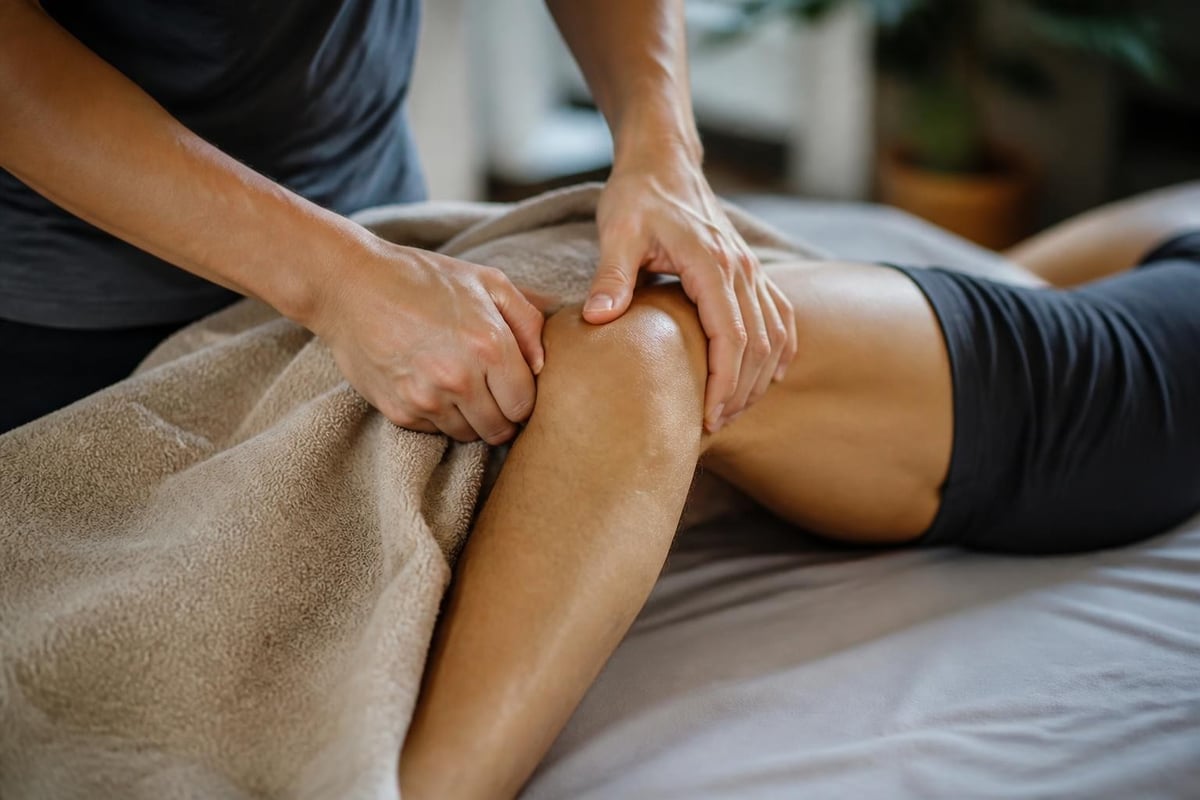
Heat therapy has been used for decades to ease muscle tension and support circulation. When you add massage to the mix, you're combining two approaches that complement each other naturally. Heat helps relax tight areas around the knee, while massage works the surrounding muscles and soft tissue.
Research on heat and massage therapy shows how this combination can support knee joint function. The warmth increases blood flow to the area, which brings oxygen and nutrients to tired tissue. Meanwhile, the massage element helps break up tension patterns that build from repetitive movement or staying in one position too long.
It's not about fixing anything overnight. It's about creating a daily habit that supports how your knees feel, especially if you're dealing with the aftermath of workouts, desk work, or just being on your feet all day.
Features That Actually Matter
Not all knee massagers are built the same. Some just vibrate. Others add heat but skip the compression. The best ones layer multiple functions to give you options based on what your knees need that day.
Heat Settings and Control
Look for adjustable heat levels. Your knee might want gentle warmth one day and deeper heat the next. Most quality devices offer at least two or three temperature settings, usually ranging from around 104°F to 131°F. That's warm enough to feel it working without overdoing it.
Temperature control matters because everyone's comfort threshold is different. What feels perfect to one person might be too much for another. Studies on home-based heat devices emphasize the importance of user-controlled settings for safety and effectiveness.
Massage Modes and Intensity
Beyond heat, the massage function should offer variety. Kneading, vibration, air compression, or a combination of these can address different needs. Air compression wraps around the knee and applies rhythmic pressure, which some people prefer over vibration alone.
Think about your typical knee discomfort. Is it all around the joint? Focused on the sides? The massage mode you choose should match where you feel it most. Many devices now include multiple airbags that inflate and deflate in patterns, mimicking the feel of hands working the area.
Fit and Adjustability
Your knee isn't the same size as everyone else's. Straps should adjust easily and hold the device securely without cutting off circulation. A good knee massager with heat stays put whether you're sitting, reclining, or even standing.
Check the sizing guide before buying. Most devices accommodate a range of leg circumferences, but if you're at either end of the spectrum, verify the measurements. A loose fit won't deliver consistent pressure, and a tight fit becomes uncomfortable fast.
What to Expect During Use
The first time you strap on a knee massager with heat, don't expect miracles in sixty seconds. It's more subtle than that. You'll feel the warmth build gradually, usually within the first couple of minutes. Then the massage kicks in, and you start noticing how the combination works on the area.
Most sessions run between 10 and 20 minutes. That's enough time for the heat to penetrate and the massage to work through surface tension. Some people use it once a day, others twice. There's no universal rule, just what fits your routine and what your knees respond to.
| Feature | Why It Matters | What to Look For |
|---|---|---|
| Adjustable Heat | Personalized comfort and safety | 2-3 temperature levels, auto shut-off |
| Massage Modes | Targets different tension types | Air compression, vibration, or both |
| Strap Design | Secure fit without slipping | Velcro or buckle, adjustable length |
| Timer Function | Prevents overuse | Automatic shut-off after 15-20 minutes |
When to Use It
Timing matters more than you'd think. Using a knee massager with heat right after a workout can support your cool-down routine, helping muscles relax while they're still warm. Before bed, it can ease the day's tension and make it easier to get comfortable under the covers.
Some people swear by morning sessions, especially if they wake up with stiff knees. The warmth and movement help loosen things up before they start their day. There's no wrong time, really. It's about when your knees need the support most.
Evidence on vibration therapy for knee pain suggests consistency matters more than duration. A few minutes daily beats an occasional long session.
Pairing with Other Wellness Tools
A knee massager with heat doesn't have to work alone. Many people combine it with other at-home devices for full-body support. If you're already using red light therapy products for skin or recovery, adding targeted heat and massage for your knees creates a more complete routine.
For instance, after using a knee device, you might follow up with a heated wrap for your lower back if that's where you hold tension. The whole idea is building a simple ritual that addresses multiple areas without turning wellness into a second job. You can explore the full wellness collection to see how different tools work together.
Creating a Daily Ritual
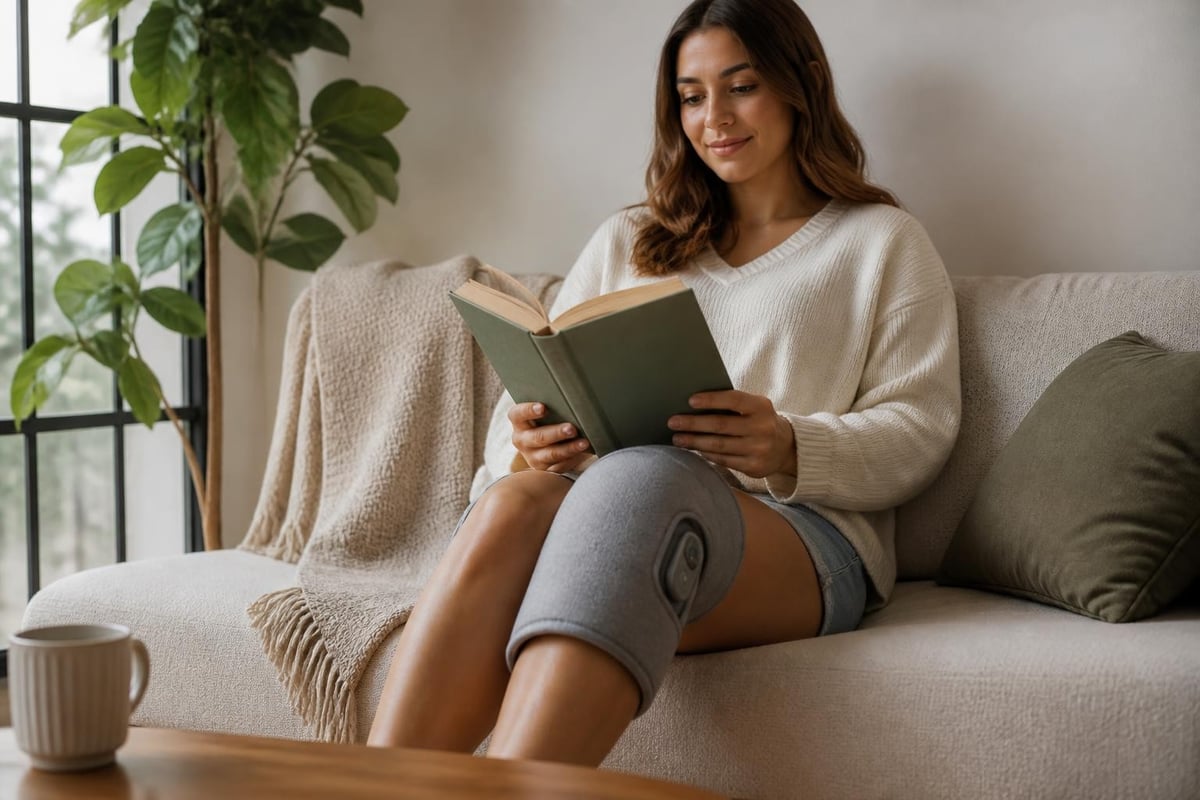
Start with your knees. Strap on the device, choose your heat and massage settings, and give it 15 minutes. Use that time to catch up on reading, answer emails, or just sit. Then, if you're addressing other areas, move to those. The key is making it automatic, something you don't have to think about.
Rituelle's approach to wellness devices centers on this exact concept: tools you actually use because they fit into real life. The Wireless Temperature Controlled Red Light Knee Massager combines the warmth and massage you need with the convenience of a cordless design, so you're not tied to an outlet.
Safety and Practical Considerations
Heat devices are generally safe, but common sense applies. Don't use them on broken skin, fresh injuries, or swollen areas without checking with a healthcare provider first. If you have circulation issues or nerve damage, get the green light before adding heat therapy to your routine.
Most modern knee massagers include auto shut-off features that turn the device off after a set time, usually 15 to 20 minutes. That's a safety feature and a usage guideline. More isn't always better. Your tissue needs recovery time between sessions.
Cleaning and Maintenance
Fabric covers can get sweaty and pick up oils from your skin. Look for devices with removable, washable covers. If the cover isn't removable, wipe it down with a damp cloth and mild soap regularly. Keep the electrical components dry and store the device somewhere cool and dry when not in use.
Battery life matters for cordless models. You don't want your session cut short because you forgot to charge. Most rechargeable units run for several sessions on a full charge, but habits vary. Plug it in after use and you won't think about it.
Choosing the Right Device for Your Needs
Budget plays a role, but so does feature set. A basic vibrating knee wrap with heat might cost $40 to $60. Mid-range options with air compression and multiple modes run $80 to $150. High-end models with red light therapy, wireless operation, and advanced controls can push $200 or more.
Ask yourself what you'll actually use. If you know you'll forget to charge a cordless unit, a plug-in model might serve you better. If you want to use it while moving around the house, wireless is worth the extra cost. Clinical trials on heat and massage therapy don't show significant differences based on price, just on consistent use.
Think about your specific situation. Are you recovering from workouts? Dealing with stiffness from long work hours? Just want something to ease the day's wear and tear? Match the device to the problem, not the other way around.
Reviews and Real-World Feedback
Customer reviews tell you what the specs don't. Look for comments about durability, comfort, and whether the heat actually gets warm enough. Pay attention to complaints about fit or straps that don't hold. These details matter more than flashy marketing.
Check how long people have owned the device before reviewing. A five-star review after one use doesn't tell you much. Feedback after months of regular use gives you the real story. You can find honest user experiences on the reviews page to see how devices hold up over time.
Long-Term Benefits and Expectations
Using a knee massager with heat isn't a one-time fix. The benefits build over weeks and months of regular use. Research on long-term heat and massage therapy for knee comfort suggests that consistency creates the most noticeable results.
You might notice improved flexibility after a few weeks. The stiffness that greets you in the morning might ease up. Recovery after workouts could feel faster. These changes happen gradually, which is why daily use matters more than intensity.
But it's also realistic to say that a knee massager with heat won't transform everything. It's a tool, not magic. It works best as part of a broader approach that includes movement, rest, and listening to your body's signals.
Heat and massage bring comfort to knees that carry you through busy days, long workouts, and everything in between. The right device turns that relief into a simple daily habit you can count on. Rituelle offers heated massage and red light therapy devices designed for real routines, with free shipping on every order, so you can start your own wellness ritual without the hassle.