

Green Light Therapy Device: Benefits and Usage Guide
The skincare industry has witnessed remarkable innovation in light-based therapies over recent years, with the green light therapy device emerging as a targeted solution for specific skin concerns. Operating at wavelengths between 515 and 550 nanometers, these devices harness the unique properties of green light to address pigmentation issues, uneven skin tone, and inflammatory conditions. Unlike other wavelengths that penetrate deeper into skin tissue, green light works primarily on the upper dermal layers, making it particularly effective for surface-level concerns that impact appearance and confidence.
Understanding Green Light Wavelengths and Skin Interaction
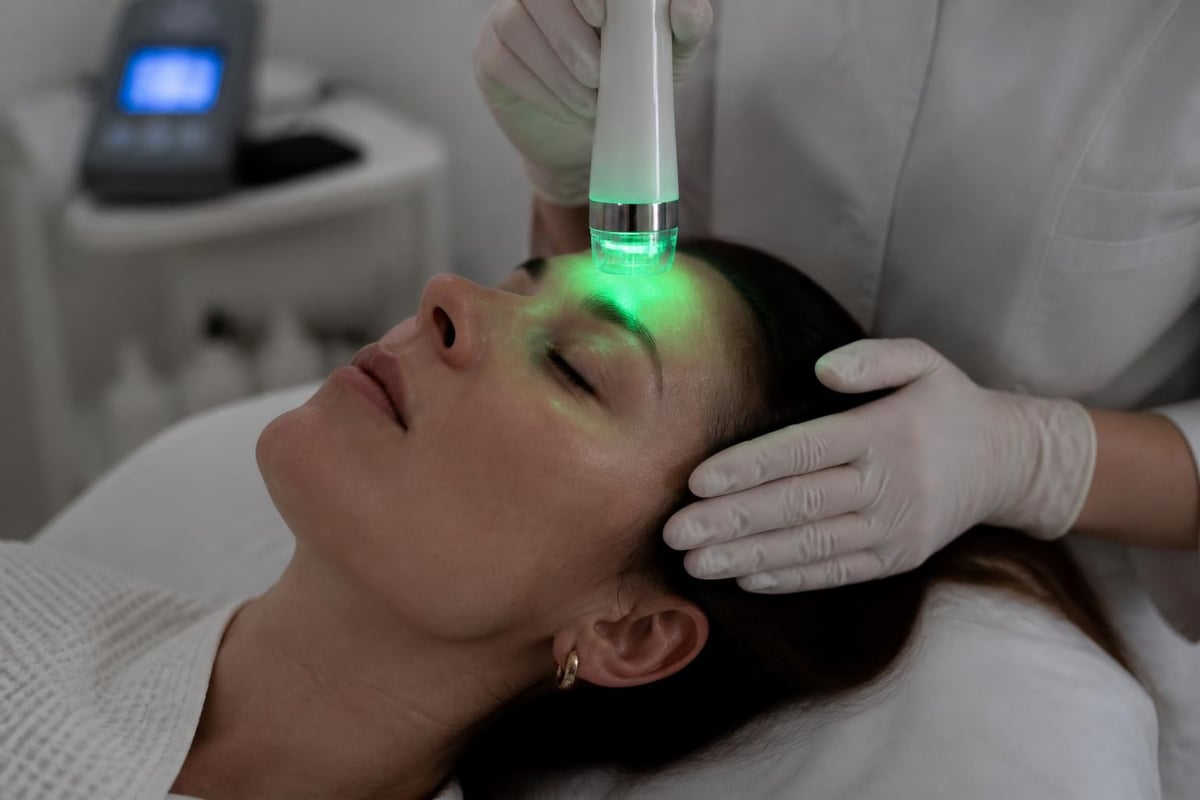
Green light occupies a specific position in the visible light spectrum, functioning differently from red or blue wavelengths commonly used in phototherapy. The science behind green light therapy reveals that this wavelength specifically targets melanocytes, the cells responsible for producing melanin in the skin.
Cellular Mechanisms of Green Light
When green light penetrates the epidermis, it influences cellular behavior without generating heat or causing thermal damage. Research indicates that green light therapy operates through photobiomodulation, a process where light energy triggers specific biological responses at the cellular level.
The interaction occurs through several pathways:
- Melanin regulation by influencing tyrosinase enzyme activity
- Cellular communication enhancement between keratinocytes and melanocytes
- Inflammatory response modulation through cytokine pathway regulation
- Vascular effects that reduce redness and visible capillaries
Wavelength Specificity Matters
Not all green light therapy devices operate at identical wavelengths, and this variation significantly impacts results. The most effective devices typically emit light between 520 and 530 nanometers, which represents the optimal absorption range for melanin-related concerns.
| Wavelength Range | Primary Target | Best Application |
|---|---|---|
| 515-520 nm | Superficial redness | Rosacea, inflammation |
| 520-530 nm | Melanin regulation | Hyperpigmentation, age spots |
| 530-550 nm | Broader skin tone | Overall complexion evening |
Key Benefits of Green Light Therapy Devices
The therapeutic applications of a green light therapy device extend beyond simple aesthetic improvements. Clinical observations and user experiences have documented multiple benefits that make these devices valuable additions to comprehensive skincare routines.
Hyperpigmentation Reduction
Dark spots, melasma, and post-inflammatory hyperpigmentation respond particularly well to consistent green light exposure. Studies show that green light can improve skin tone and reduce pigmentation by inhibiting excessive melanin production while promoting more uniform distribution of existing pigment.
Treatment protocols typically require 8 to 12 weeks of regular sessions to achieve visible results. The gradual nature of improvement reflects the biological timeline of skin cell turnover and melanin metabolism.
Calming Inflammatory Responses
Green light demonstrates remarkable anti-inflammatory properties, making it beneficial for sensitive skin conditions. The wavelength helps calm reactive skin, reduce redness associated with rosacea, and minimize the appearance of broken capillaries.
Users with chronic inflammatory conditions often incorporate green light sessions as part of their daily routine:
- Cleanse skin thoroughly to remove barriers to light penetration
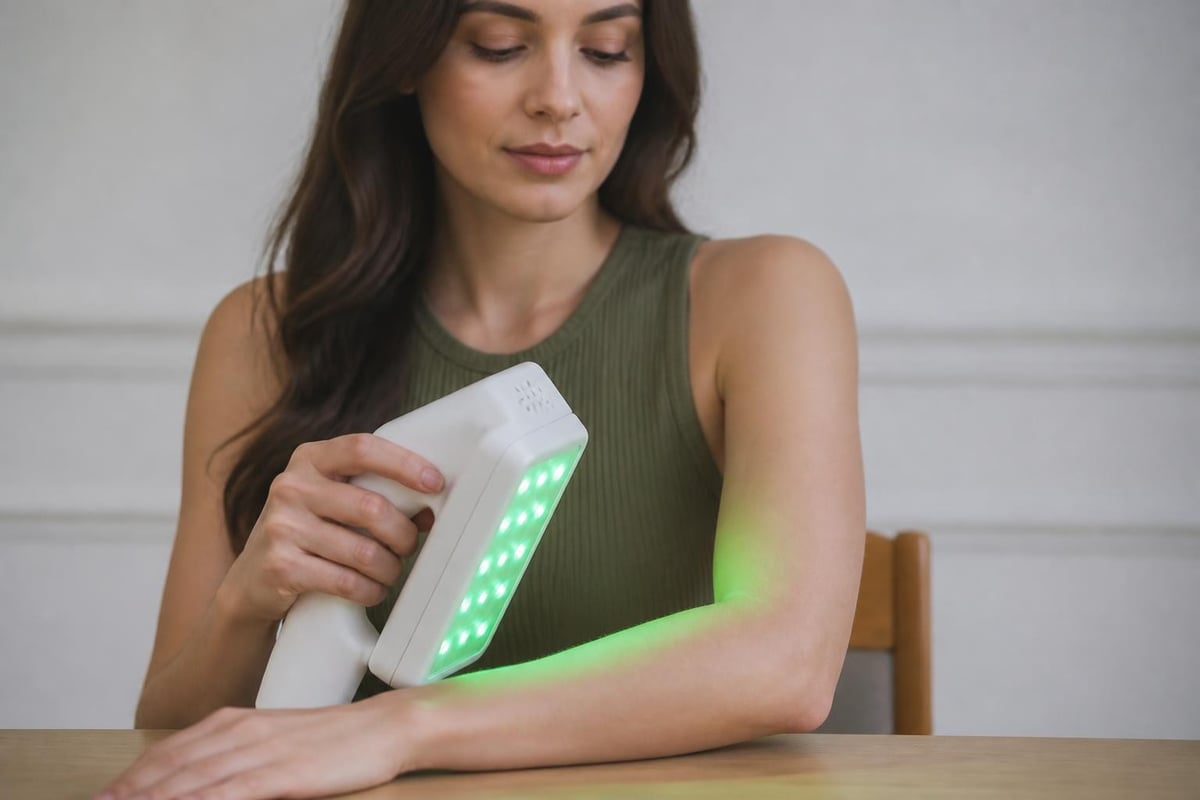
- Position device at recommended distance (typically 6-12 inches)
- Treat each facial zone for 3-5 minutes
- Follow with hydrating serums to support skin barrier recovery
- Apply broad-spectrum sun protection during daytime use
Skin Tone Equilibration
Beyond addressing specific concerns, green light therapy targets the upper layers of the skin to create more balanced, even-toned skin. This comprehensive effect comes from the wavelength's ability to influence multiple skin processes simultaneously.
The result is often described as a "lit from within" appearance, where skin looks clearer and more refined without the stark contrast of visible pigmentation irregularities.
Selecting the Right Green Light Therapy Device
The market offers numerous options for home-use green light therapy, ranging from handheld wands to full-face masks. Understanding key specifications ensures you invest in equipment that delivers genuine therapeutic benefit rather than ineffective alternatives.
Essential Device Features
Light intensity represents one of the most critical specifications. Devices should emit sufficient irradiance (measured in milliwatts per square centimeter) to trigger photobiomodulation without causing thermal damage. Professional-grade home devices typically deliver 10-50 mW/cm² at the skin surface.
Coverage area determines treatment efficiency. Full-face LED masks provide uniform exposure across the entire facial landscape, while targeted devices allow for concentrated treatment of specific problem areas like the forehead, cheeks, or décolletage.
Wavelength precision separates effective devices from marketing gimmicks. Quality manufacturers specify exact wavelength output and provide independent testing verification. Devices claiming to offer "green light" without specific wavelength data should raise caution.
Safety Certifications and Quality Standards
| Certification | Significance | What It Verifies |
|---|---|---|
| FDA Clearance | Regulatory approval | Safety for intended use |
| CE Marking | European standards | Electrical safety compliance |
| Clinical Testing | Evidence-based results | Efficacy documentation |
| UL Certification | Product safety | Electrical and fire safety |
When exploring light therapy options, many users appreciate the versatility of multi-modal devices. While green light targets specific pigmentation concerns, understanding how different wavelengths work can help you build a comprehensive treatment approach that addresses multiple skin goals simultaneously.
Integrating Green Light Therapy Into Your Routine
Successful outcomes with a green light therapy device depend significantly on proper integration into existing skincare protocols. The technology works synergistically with quality skincare products and healthy lifestyle habits rather than replacing them entirely.
Optimal Treatment Frequency
Consistency matters more than intensity when establishing a green light therapy regimen. Most dermatologists and skincare professionals recommend starting with three to five sessions weekly, each lasting 10 to 20 minutes.
Beginner protocol (Weeks 1-4):
- Session frequency: 3 times weekly
- Duration per session: 10 minutes
- Focus: Building tolerance and establishing routine
- Expected results: Minimal visible change, possible subtle glow
Established protocol (Weeks 5-12):
- Session frequency: 4-5 times weekly
- Duration per session: 15-20 minutes
- Focus: Addressing specific pigmentation concerns
- Expected results: Gradual lightening of dark spots, improved overall tone
Complementary Skincare Products
Green light therapy amplifies the effectiveness of topical treatments, particularly those formulated to address similar concerns. Vitamin C serums, niacinamide formulations, and gentle exfoliants work synergistically with light therapy to enhance results.
Apply treatment serums immediately after green light sessions when cellular receptivity is heightened. This timing maximizes ingredient absorption and therapeutic benefit. Avoid potentially irritating ingredients like high-strength retinoids immediately before light therapy to prevent sensitivity reactions.
Timing Considerations
Morning sessions offer the advantage of reduced evening light exposure, which can interfere with circadian rhythms. However, nighttime treatments allow for extended recovery periods before sun exposure. Understanding how often to use LED devices helps establish sustainable habits that fit individual schedules and lifestyle demands.
Comparing Green Light to Other Phototherapy Options
The spectrum of light therapy extends far beyond green wavelengths, with each color serving distinct therapeutic purposes. Understanding these differences enables informed decisions about which devices best address your specific skin concerns.
Red Light vs. Green Light Applications
Red light therapy operates at longer wavelengths (630-660 nm for visible red, 810-850 nm for near-infrared), penetrating deeper into dermal and even subdermal tissues. While green light focuses on surface pigmentation, red light therapy benefits for skin include collagen stimulation, wound healing, and deeper tissue rejuvenation.
Many comprehensive skincare routines incorporate both wavelengths strategically. Red light sessions might focus on anti-aging and structural support, while green light addresses the visible pigmentation concerns that affect appearance most immediately.
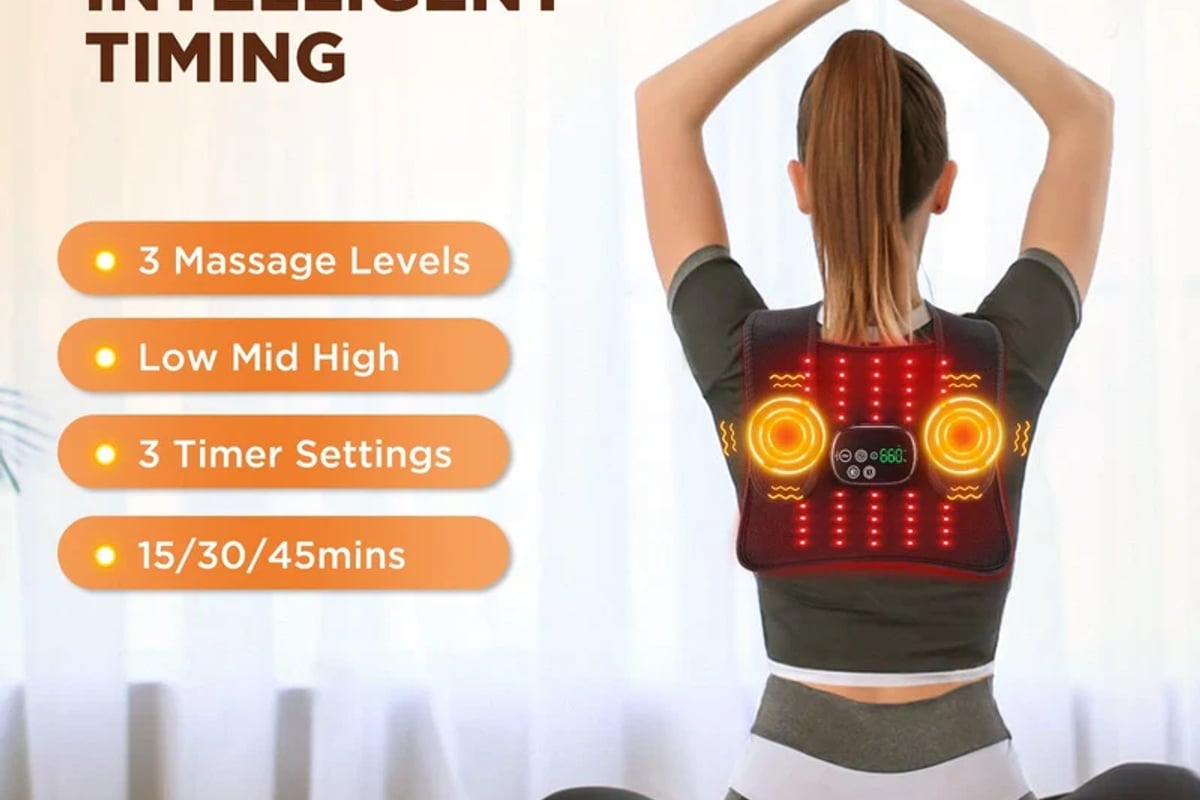
For those dealing with muscle tension alongside skin concerns, combining light therapy approaches offers comprehensive wellness support. The Infrared Red Light Therapy Belt demonstrates how red light can address deeper tissue concerns through targeted application, providing relief that complements the surface-level benefits of green light therapy for overall wellness.
Blue Light and Acne Management
Blue light wavelengths (415-455 nm) specifically target acne-causing bacteria, making them the preferred choice for inflammatory acne treatment. Green light therapy devices, while helpful for post-acne pigmentation, do not provide the same antibacterial effects.
Multi-Wavelength Devices
Some advanced systems combine multiple wavelengths in a single device, allowing users to customize treatments based on current skin needs. These combination units offer versatility but typically come at higher price points.
Consider your primary concerns when deciding between specialized green light devices and multi-wavelength systems:
- Choose dedicated green light if hyperpigmentation is your primary concern
- Opt for combination devices if you want to address multiple skin issues
- Select wavelength-specific tools for targeted treatment of particular zones
- Invest in professional-grade equipment if treating severe or resistant pigmentation
Evidence-Based Expectations and Timeline
Setting realistic expectations prevents disappointment and supports consistent usage, which ultimately determines success with any green light therapy device. Unlike invasive procedures that deliver immediate but temporary results, phototherapy works gradually through biological processes that cannot be rushed.
Research Supporting Green Light Efficacy
Clinical studies on green light therapy demonstrate measurable improvements in melanin index scores, skin brightness parameters, and patient satisfaction ratings. However, individual results vary based on factors including baseline pigmentation, skin type, consistency of use, and concurrent skincare practices.
The most robust evidence supports green light therapy for:
- Reduction of solar lentigines (age spots)
- Lightening of melasma patches
- Evening of overall skin tone
- Diminishing post-inflammatory hyperpigmentation
- Calming of erythema and visible redness
What Green Light Cannot Achieve
Transparency about limitations is essential for informed decision-making. Green light therapy devices will not eliminate deep wrinkles, tighten significantly lax skin, or reverse advanced photoaging. These concerns require different therapeutic approaches.
Additionally, active acne breakouts respond better to blue light wavelengths, while deeper structural improvements benefit from red and near-infrared exposure. Green light occupies a specific niche within the broader spectrum of phototherapy applications.
Safety Considerations and Contraindications
While generally considered safe for home use, green light therapy devices require proper understanding of contraindications and precautionary measures. Responsible usage protects both effectiveness and safety.
Who Should Avoid Green Light Therapy
Certain populations should consult healthcare providers before beginning green light treatments:
- Individuals taking photosensitizing medications (some antibiotics, diuretics, antifungals)
- People with diagnosed photosensitivity disorders
- Those with active skin infections or open wounds in treatment areas
- Pregnant women (due to limited research on fetal effects)
- Individuals with epilepsy triggered by light stimulation
Protective Measures During Treatment
Eye protection is non-negotiable when using any LED light therapy device. Even wavelengths considered less risky than UV light can cause discomfort or potential damage with prolonged direct exposure. Most quality devices include protective eyewear, or users should keep eyes closed throughout sessions.
Skin preparation impacts both safety and effectiveness. Clean, dry skin free from makeup, sunscreen, and heavy creams allows optimal light penetration. However, maintain normal skin barrier function through gentle cleansing rather than aggressive exfoliation immediately before treatment.
Potential Side Effects
Most users tolerate green light therapy exceptionally well, with minimal reported adverse effects. When side effects occur, they typically include:
- Mild temporary redness immediately following treatment
- Slight dryness requiring additional moisturization
- Rare headaches in individuals sensitive to bright light
- Initial mild increase in pigmentation before improvement (rare)
These effects generally resolve quickly and diminish as skin adapts to regular treatments. Persistent or concerning reactions warrant discontinuation and professional consultation.
Maximizing Results Through Lifestyle Support
A green light therapy device represents one component of comprehensive skin health, working most effectively when supported by evidence-based lifestyle practices. The synergy between technology and healthy habits accelerates results and maintains improvements long-term.
Sun Protection as Foundation
No pigmentation treatment can succeed without rigorous sun protection. UV exposure triggers melanin production, directly counteracting the regulatory effects of green light therapy. Daily broad-spectrum SPF 30 or higher becomes non-negotiable during active treatment phases.
Application strategy matters: Apply sunscreen 15 minutes before sun exposure, reapply every two hours during extended outdoor time, and use physical blockers (zinc oxide, titanium dioxide) for maximum protection during peak intensity periods.
Nutritional Support for Skin Health
Internal factors significantly influence external appearance. Antioxidant-rich diets support skin's natural defense mechanisms against oxidative stress that contributes to pigmentation irregularities.
Key nutrients for pigmentation management include:
- Vitamin C for melanin regulation and collagen synthesis
- Vitamin E for cellular protection and healing support
- Niacinamide (vitamin B3) for barrier function and pigment transfer inhibition
- Omega-3 fatty acids for anti-inflammatory effects
- Polyphenols from green tea, berries, and dark chocolate for antioxidant protection
Stress Management and Sleep Quality
Chronic stress elevates cortisol levels, which can trigger inflammatory responses and worsen pigmentation conditions like melasma. Quality sleep supports cellular repair processes that optimize phototherapy benefits.
Establish consistent sleep schedules, create dark sleeping environments, and practice stress-reduction techniques like meditation or gentle exercise to support skin health from within.
Professional vs. Home-Use Devices
The market offers both professional-grade equipment used in clinical settings and home-use devices designed for consumer application. Understanding the distinctions helps set appropriate expectations and make informed purchasing decisions.
Power Output Differences
Professional devices typically deliver higher irradiance levels (50-100+ mW/cm²) compared to home units (10-50 mW/cm²), allowing for shorter treatment times and potentially faster results. However, this increased power requires trained operation to prevent adverse effects.
Home-use green light therapy devices are calibrated for safety within consumer environments, reducing risk of misuse while still providing therapeutic benefit through consistent application over extended timeframes.
Cost-Benefit Analysis
| Factor | Professional Treatments | Home Devices |
|---|---|---|
| Initial Investment | $100-300 per session | $150-800 one-time |
| Sessions Required | 8-12 typically | Unlimited usage |
| Convenience | Appointment scheduling | Use anytime |
| Power Output | Higher intensity | Moderate intensity |
| Supervision | Expert guidance | Self-directed |
Professional devices reviewed by experts offer insights into features that translate well to home-use equipment, helping consumers identify quality indicators when shopping.
When to Choose Professional Treatment
Severe pigmentation concerns, resistant melasma, or cases requiring medical monitoring benefit from professional oversight. Dermatologists can combine green light therapy with other modalities like chemical peels or prescription topicals for comprehensive treatment approaches.
For mild to moderate concerns and maintenance of professional results, home devices provide cost-effective, convenient solutions that support long-term skin health goals. Many at-home devices deliver meaningful results when used consistently according to manufacturer guidelines.
Advanced Techniques and Protocol Optimization
Experienced users often develop sophisticated approaches to green light therapy that maximize efficiency and results. These advanced techniques build upon foundational protocols while incorporating individualized adjustments based on response patterns.
Zone-Specific Targeting
Rather than treating the entire face uniformly, advanced practitioners identify specific zones requiring concentrated attention. The forehead, cheekbones, and upper lip commonly accumulate more pigmentation than other areas, benefiting from extended exposure time.
Protocol example:
- General facial coverage: 10 minutes
- Concentrated cheek zone treatment: Additional 5 minutes
- Targeted age spot treatment: Additional 3-5 minutes per spot
- Total session time: 18-20 minutes
Cycling Protocols
Some users implement wavelength cycling, alternating between green light therapy and other beneficial wavelengths throughout the week. This approach addresses multiple skin concerns while preventing adaptive tolerance to single-wavelength exposure.
Sample weekly protocol:
- Monday, Wednesday, Friday: Green light for pigmentation
- Tuesday, Thursday: Red light for collagen support
- Saturday: Blue light for maintenance antibacterial effect
- Sunday: Rest day for natural recovery
Progressive Intensity Adjustment
As skin adapts to regular light therapy, some users gradually increase session duration or frequency to maintain progressive improvement. This should be done cautiously, monitoring for any signs of irritation or adverse response.
Start conservatively and adjust upward only after 4-6 weeks of consistent baseline usage. Increases should be incremental (2-3 minutes per session or one additional session weekly) with observation periods between adjustments.
Maintenance Strategies for Long-Term Results
Achieving initial improvement represents only the first phase of successful pigmentation management. Maintaining results requires ongoing attention and modified protocols that prevent regression while supporting continued enhancement.
Transition to Maintenance Phase
Once desired results are achieved (typically after 12-16 weeks of consistent treatment), reduce frequency to maintenance levels that preserve improvements without excessive time investment.
Maintenance protocol structure:
- Session frequency: 2-3 times weekly (reduced from 4-5)
- Duration per session: 10-15 minutes (reduced from 15-20)
- Focus: Overall skin tone preservation
- Concurrent practices: Continued sun protection and quality skincare
Seasonal Adjustments
Pigmentation concerns often fluctuate with seasonal changes in sun exposure and environmental factors. Summer months may require increased treatment frequency to counteract UV-induced melanin production, while winter allows for reduced maintenance.
Monitor skin response throughout the year and adjust protocols accordingly rather than maintaining rigid schedules regardless of visible need.
Long-Term Device Care
Proper maintenance of your green light therapy device ensures consistent performance and extends equipment lifespan. LED bulbs gradually lose intensity over thousands of hours of use, though quality devices typically maintain therapeutic effectiveness for several years.
Device maintenance checklist:
- Clean light-emitting surface after each use with gentle, non-abrasive cleanser
- Store in cool, dry location away from direct sunlight
- Inspect cords and connections regularly for damage
- Follow manufacturer guidelines for bulb replacement timelines
- Track usage hours to anticipate when performance may decline
Green light therapy devices offer a scientifically-grounded approach to addressing hyperpigmentation, uneven skin tone, and inflammatory skin concerns through targeted wavelength exposure. When integrated into comprehensive skincare routines with realistic expectations and consistent application, these tools deliver meaningful improvements in skin clarity and radiance. Rituelle provides professional-grade light therapy solutions designed for effective home use, combining advanced technology with a commitment to accessible wellness. With every purchase supporting breast cancer research, choosing quality light therapy devices becomes an investment in both personal skin health and meaningful causes that extend beauty's impact beyond appearance.